

Corporate Event Engagement Ideas for Better Audience Experiences
- Published: June 7, 2026
Audience engagement often shapes how people remember a corporate event long after the programme ends. Even well-produced conferences, launches, or town halls can quickly lose energy when attendees spend most of the event sitting passively without meaningful interaction.
Strong corporate event activities are usually not about entertainment alone. The best experiences encourage participation, conversation, networking, and audience involvement in ways that support the overall purpose of the event.
Whether the goal is leadership communication, client engagement, networking, or hybrid participation, the right activities can help corporate events feel more dynamic, engaging, and memorable for attendees.
Start With the Event Objective
The most effective corporate event activities usually support a specific event objective rather than simply filling the programme schedule.
Different events require different types of audience interaction. A networking session may benefit from more informal engagement, while leadership events often require stronger audience communication and participation.
Before selecting activities, it helps to first define what the event is designed to achieve.
Networking
Best For
Client events, conferences, and relationship-building sessions.
Engagement Style
networking lounges
facilitated introductions
discussion tables
interactive networking formats
The goal is to encourage more natural conversation and audience connection.
Employee Engagement
Best For
Internal events, appreciation sessions, and company culture initiatives.
Engagement Style
team-based activities
collaborative sessions
interactive experiences
recognition moments
Activities should help employees feel more involved rather than simply observing the programme.
Leadership Communication
Best For
Town halls, leadership briefings, and company updates.
Engagement Style
live Q&A
audience polling
moderated discussions
hybrid participation tools
Interactive communication often helps leadership sessions feel more engaging and transparent.
Brand Awareness
Best For
Product launches, media events, and experiential campaigns.
Engagement Style
experiential activations
branded installations
social content moments
audience participation zones
These activities usually focus more on visibility and audience memorability.
Audience Interaction
Best For
Conferences, panel discussions, and presentation-heavy programmes.
Engagement Style
live audience participation
interactive sessions
breakout discussions
real-time feedback tools
Interaction helps reduce passive audience fatigue during longer programmes.
Knowledge Sharing
Best For
Industry conferences, workshops, and leadership events.
Engagement Style
breakout learning sessions
collaborative discussions
moderated panels
audience-driven conversations
The focus here is usually on participation and shared discussion rather than one-way presentations alone.
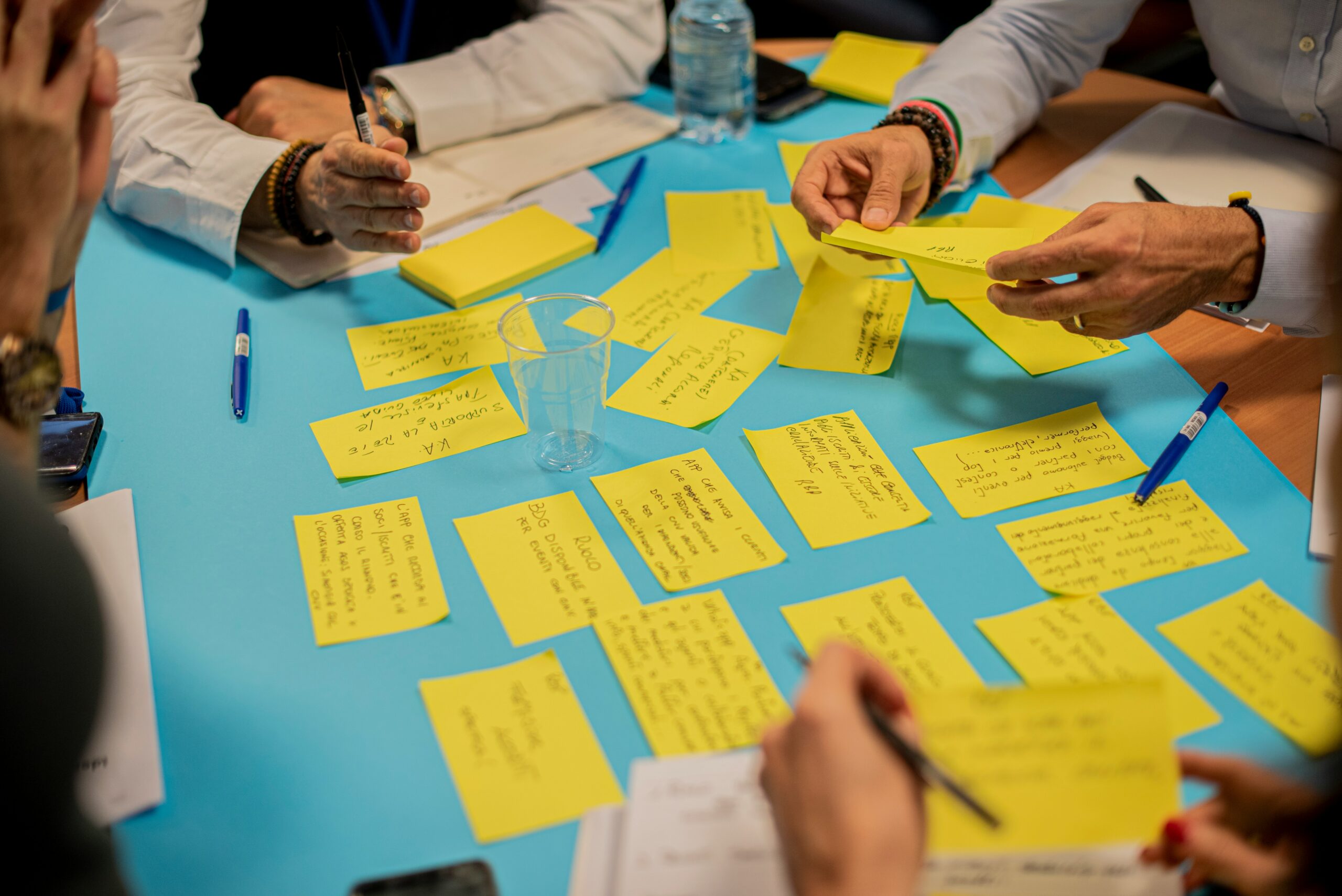
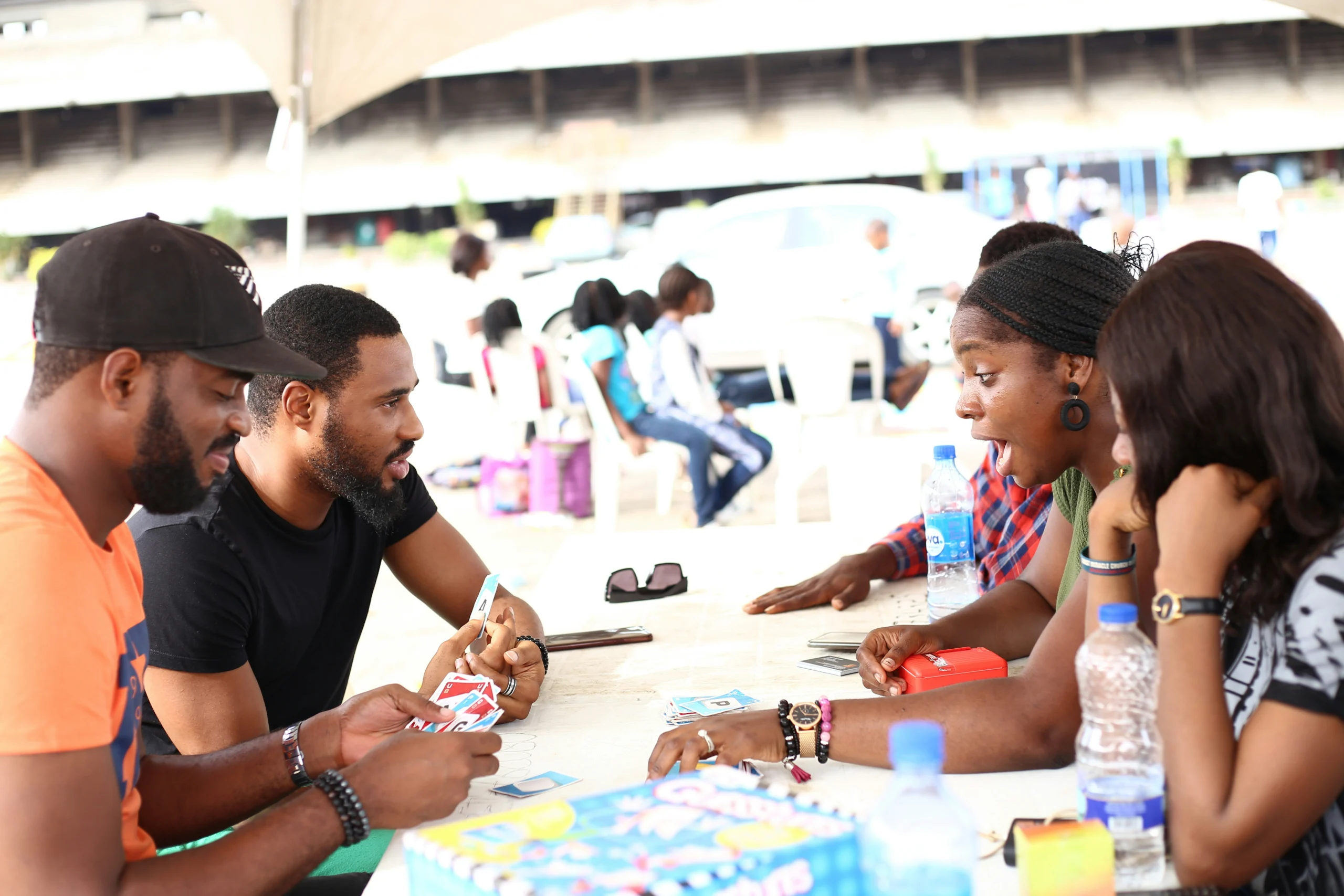
Activities for Conferences & Corporate Events
For conferences and corporate events, audience engagement usually works best when people feel involved in the experience rather than simply listening passively for long periods of time.
The goal is not to add entertainment for the sake of it, but to create stronger participation, conversation, and interaction throughout the event.
Some effective engagement activities for corporate events include:
Live Polling
Live polls help audiences participate in real time during presentations, leadership sessions, or panel discussions.
They can be used to:
- gather audience opinions
- encourage interaction
- increase attention during presentations
- support hybrid participation
Even simple audience polling can make sessions feel more dynamic and responsive.
Panel Discussions
Panel formats often feel more engaging than long single-speaker presentations.
Well-moderated panels can create:
- more natural conversations
- multiple perspectives
- stronger audience attention
- better discussion flow
Audience-submitted questions can also improve participation further.
Audience Q&A Sessions
Q&A segments help audiences feel more involved in the conversation.
This is especially useful for:
- leadership town halls
- conferences
- product launches
- industry discussions
Interactive Q&A often creates stronger audience connection than one-way presentations alone.
Networking Lounges
Dedicated networking spaces encourage attendees to interact more comfortably between sessions.
These areas can support:
- informal discussions
- business networking
- client engagement
- relationship building
The environment itself often affects how naturally people engage during corporate events.
Breakout Discussions
Smaller breakout sessions allow audiences to participate more actively in focused discussions.
These sessions often work well for:
- workshops
- leadership events
- collaborative learning
- strategy discussions
Breakout formats usually create stronger engagement compared to large passive sessions.
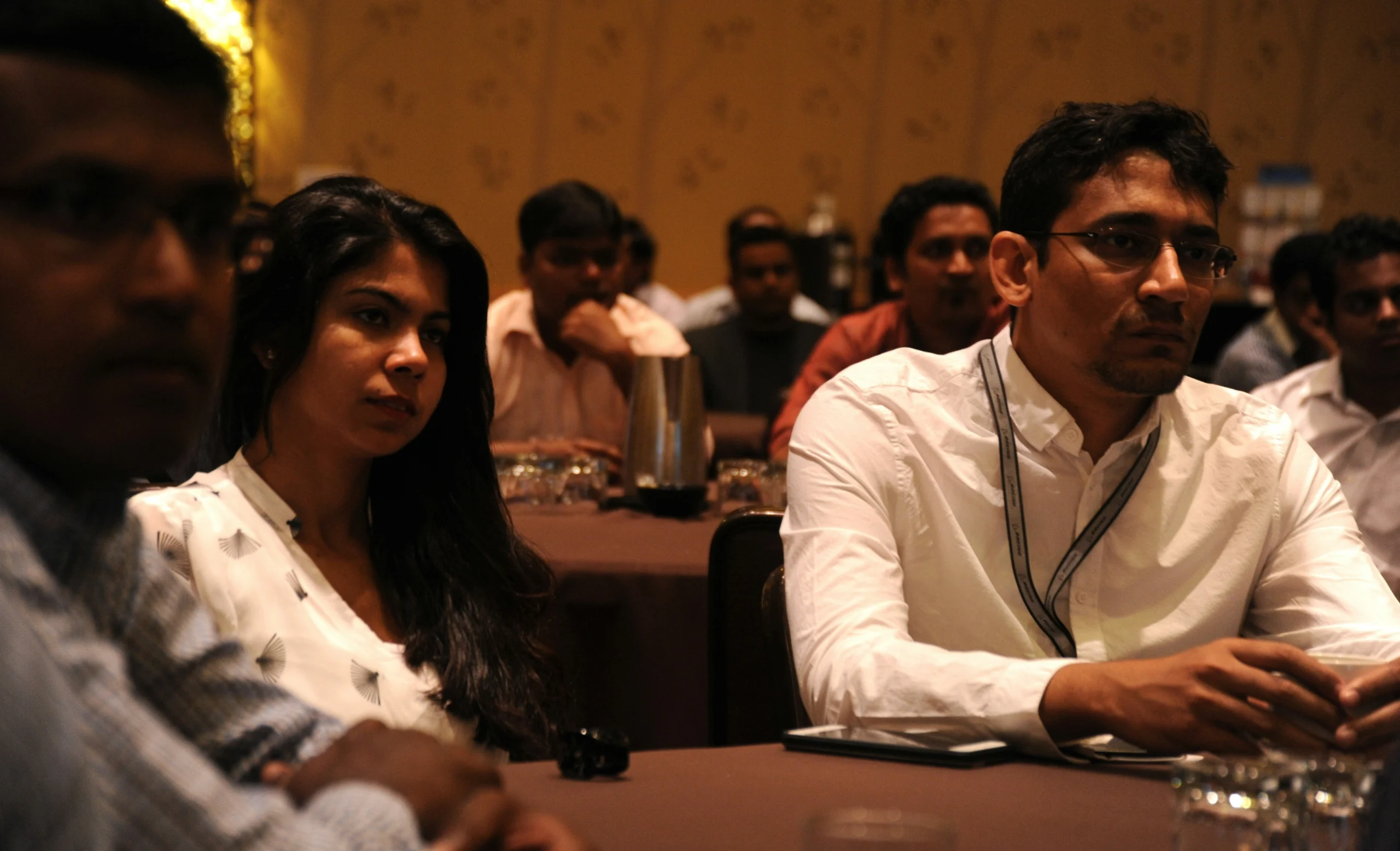
Activities for Networking & Team Engagement
Strong networking activities should help people interact more naturally, not force participation awkwardly.
For corporate events, the best engagement formats usually create comfortable opportunities for conversation, collaboration, and audience interaction without disrupting the overall flow of the event.
Some modern engagement formats include:
Curated Networking
Structured networking formats can help conversations feel more purposeful and less random.
This may include:
- industry-based groupings
- facilitated introductions
- themed networking tables
- guided discussion rounds
Curated formats often work well for conferences, leadership events, and client engagement sessions.
Interactive Stations
Interactive areas encourage attendees to explore, participate, and engage throughout the event environment.
These stations may include:
- product demonstrations
- branded experiences
- digital activations
- content capture zones
Interactive environments often help events feel more dynamic and less presentation-heavy.
Gamified Networking
Light gamification can encourage audience participation in a more natural way.
This may involve:
- networking challenges
- digital participation tools
- event-based rewards
- interactive audience tasks
For corporate audiences, subtle engagement mechanics usually work better than overly playful formats.
Collaborative Sessions
Smaller collaborative discussions often create stronger engagement than passive listening sessions.
These formats may include:
- roundtable discussions
- workshops
- breakout collaboration
- problem-solving sessions
Collaborative experiences can help audiences feel more involved in the event itself.
Experiential Activities
Experiential formats focus more on audience immersion and memorable interaction.
This may include:
- branded installations
- immersive environments
- interactive showcases
- sensory experiences
Well-designed experiential activities often leave a stronger impression than traditional networking formats alone.
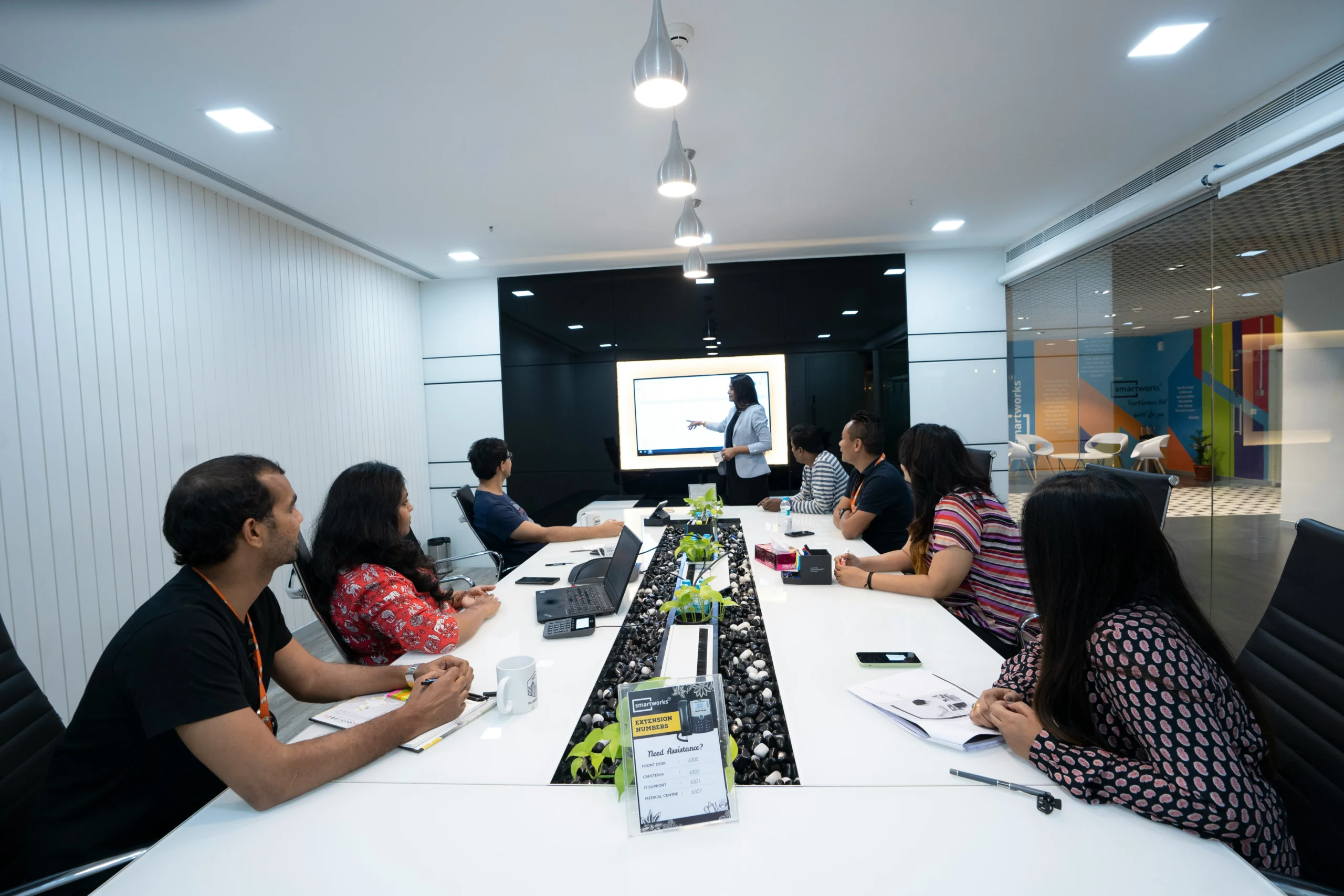
Hybrid & Digital Engagement Ideas
Hybrid events require more than simply adding a livestream to a physical event.
To keep both in-person and virtual audiences engaged, interaction needs to be built into the experience intentionally. Without participation opportunities, remote audiences can quickly become passive viewers rather than active participants.
Some effective hybrid engagement ideas include:
Hybrid Audience Interaction
Hybrid events work best when virtual attendees can participate alongside physical audiences rather than watching separately.
This may include:
- live Q&A participation
- remote voting
- virtual discussion sessions
- shared audience interaction
Integrated participation helps hybrid events feel more connected overall.
Live Audience Polls
Real-time polling is one of the simplest ways to increase engagement across both physical and virtual audiences.
Polls can help:
- encourage participation
- gather audience feedback
- support leadership communication
- maintain attention during presentations
This format works especially well for conferences and town hall events.
Virtual Participation Sessions
Remote attendees often engage more when sessions are designed specifically for interaction rather than passive viewing.
This may include:
- moderated virtual discussions
- breakout rooms
- digital workshops
- audience-driven conversations
Well-managed virtual participation can improve engagement significantly during hybrid events.
Digital Networking
Networking does not need to be limited to physical attendees.
Digital networking formats may include:
- virtual networking lounges
- scheduled discussion groups
- one-to-one meeting sessions
- event networking platforms
These formats can help remote audiences feel more included throughout the experience.
Audience Apps & Event Platforms
Audience apps can support:
- live questions
- session interaction
- event updates
- digital agendas
- networking coordination
For larger corporate events, these tools often help improve communication and audience participation simultaneously.
Livestream Engagement
A successful livestream experience usually involves more than camera coverage alone.
Strong livestream engagement often depends on:
- audience moderation
- interactive segments
- production quality
- clear presentation flow
- real-time participation opportunities
For leadership communication and hybrid corporate experiences, structured town hall event planning can help improve engagement across both physical and virtual audiences.
What Makes Event Activities Actually Work?
Good event activities are usually not defined by how flashy or complicated they are.
The most effective engagement formats often feel natural within the flow of the event itself. Even simple activities can create strong audience participation when the timing, environment, and coordination are planned properly.
Some important factors that influence audience engagement include:
Timing
Engagement activities should support the energy of the programme, not interrupt it.
Long presentations without interaction can reduce audience attention quickly, while well-timed participation moments help maintain engagement throughout the event.
Audience Flow
People engage more comfortably when movement throughout the venue feels natural.
Crowded networking areas, poor transitions, or unclear layouts can reduce interaction and make events feel disorganised.
Production Support
Production quality often affects how engaging activities feel in real time.
This may include:
- audio clarity
- screen visibility
- lighting
- livestream coordination
- technical timing
Even interactive sessions can lose momentum if the technical execution feels unstable.
Moderation & Facilitation
Good moderation helps conversations feel structured without becoming overly scripted.
This is especially important for:
- panel discussions
- audience Q&A
- networking sessions
- hybrid interaction
Strong facilitators often help audiences participate more confidently.
Room Layout
The physical setup of the venue can influence how people interact during the event.
Seating arrangements, networking zones, breakout areas, and stage positioning all affect audience behaviour and participation levels.
Event Pacing
Well-paced programmes usually feel more engaging from beginning to end.
Balancing:
- presentations
- networking
- audience interaction
- breaks
- entertainment
- transitions
helps prevent audience fatigue during longer corporate events.
The strongest event experiences often feel coordinated and engaging without appearing overly forced or overly programmed.
Creating More Engaging Corporate Event Experiences
Audience engagement often shapes how people remember a corporate event long after it ends. Even well-designed venues and strong presentations can feel forgettable if attendees remain passive throughout the experience.
The most effective corporate events usually create opportunities for interaction, conversation, participation, and audience involvement in ways that feel natural to the event itself.
Whether planning conferences, product launches, leadership town halls, gala dinners, or regional corporate events, thoughtful engagement strategies can help events feel more dynamic, connected, and memorable for attendees.
ERS Asia supports organisations across Singapore and Asia with corporate event management, audience engagement planning, and event execution support for conferences, launches, networking experiences, and large-scale corporate events.
You can also explore our recent event projects to see how different engagement formats and event experiences are executed across industries and event types.
Frequently Asked Questions
What activities improve engagement at corporate events?
Activities that encourage participation usually improve engagement the most. This may include:
- live audience polling
- networking sessions
- breakout discussions
- Q&A segments
- interactive experiences
What are good networking activities for conferences?
Some effective networking formats include:
- curated networking sessions
- discussion tables
- breakout conversations
- networking lounges
- facilitated introductions
These formats often help conversations feel more natural and purposeful.
How can hybrid events improve audience participation?
Hybrid events can improve participation through:
- live polls
- virtual Q&A
- audience apps
- digital networking
- remote interaction tools
Strong hybrid engagement helps virtual audiences feel more involved rather than simply watching the event passively.
Why is audience engagement important for corporate events?
Audience engagement helps events feel more interactive, memorable, and valuable for attendees.
It can also improve:
- participation
- communication
- networking quality
- audience attention
- overall event experience
What makes corporate event activities successful?
Successful activities usually depend on:
- timing
- audience relevance
- event flow
- moderation
- production support
- participation design
The strongest engagement formats often feel natural within the overall event experience.
Table of Contents
Related Articles