

Why Technical Rehearsals Matter for Corporate Events
- Published: June 28, 2026
Quick Answer
A technical rehearsal is a structured run-through of an event that tests production systems, presentations, audio, lighting, video content, livestreams, and event timing before attendees arrive. Technical rehearsals help identify issues early, reduce risk, and ensure speakers, production teams, and technology work together smoothly during the live event.
Live events are unforgiving. When something goes wrong in front of an audience, there is no pause button, no opportunity to reload, and no way to prevent attendees from seeing the problem unfold in real time.
The microphone that cuts out during a CEO’s opening remarks, the presentation file that fails to advance, the livestream that drops during a key announcement, these are not just technical inconveniences. They affect how the event is remembered and how the organisation is perceived.
Most of these failures are preventable. They are prevented by one thing: a proper technical rehearsal.
What Is a Technical Rehearsal?
A technical rehearsal is a structured pre-event run-through that tests all production systems, presentation content, speaker transitions, and event timing together before the audience arrives. It is not a dress rehearsal in the theatrical sense, and it is not a quick equipment check.
It is a systematic validation of every element that will be relied upon during the live event.
Audio Testing
Verifies microphone levels, speaker coverage, audio routing, and clarity throughout the venue.
Video Playback
Tests pre-recorded content, opening videos, award presentations, and playback transitions.
Presentation Review
Confirms slide files, animations, clicker functionality, and correct display on event screens.
Lighting Checks
Verifies lighting cues, stage coverage, presenter visibility, and programme-specific scenes.
Livestream Testing
Validates broadcast quality, internet stability, platform access, and stream reliability.
Run-of-Show Practice
Tests timing, transitions, cue calling, and coordination between speakers, production, and venue teams.
The objective is not to rehearse individual components in isolation. It is to test how all systems work together under live conditions, with the actual equipment, in the actual venue.
Why Technical Rehearsals Matter
The audience only sees the final event. They never see the problems that were prevented.
That invisibility is the point, and it is only achieved through preparation.
Technical rehearsals matter because:
Risk is reduced before it becomes visible.
Problems identified during rehearsal are fixed before the audience arrives. Problems identified during the live event are managed in front of the audience.
Speaker confidence improves.
Presenters who have rehearsed on the actual stage, with the actual microphone, seeing their slides on the actual screens, deliver more confidently than those encountering the environment for the first time during the live event.
Production coordination improves.
Technical rehearsals align the production team, the event management team, and the speakers on timing, cues, and transitions. This coordination is what makes a complex event feel seamless.
Communication quality is protected.
For corporate events where leadership is communicating important messages, production failures undermine the message. A technical rehearsal protects the integrity of that communication.
What Happens During a Technical Rehearsal?
A well-structured technical rehearsal covers every element of the event programme in sequence, testing each component as it will be used during the live event.
Typical rehearsal activities include:
- Microphone testing for each speaker, including handheld, lapel, and podium microphones
- Presentation checks using the actual slide files that will be used during the event
- Video playback verification for all pre-recorded content, including timing and audio levels
- Lighting cue testing for each programme segment, including stage washes, spotlights, and atmospheric changes
- Stage movement rehearsals to confirm that speakers can move naturally within the lighting and microphone coverage areas
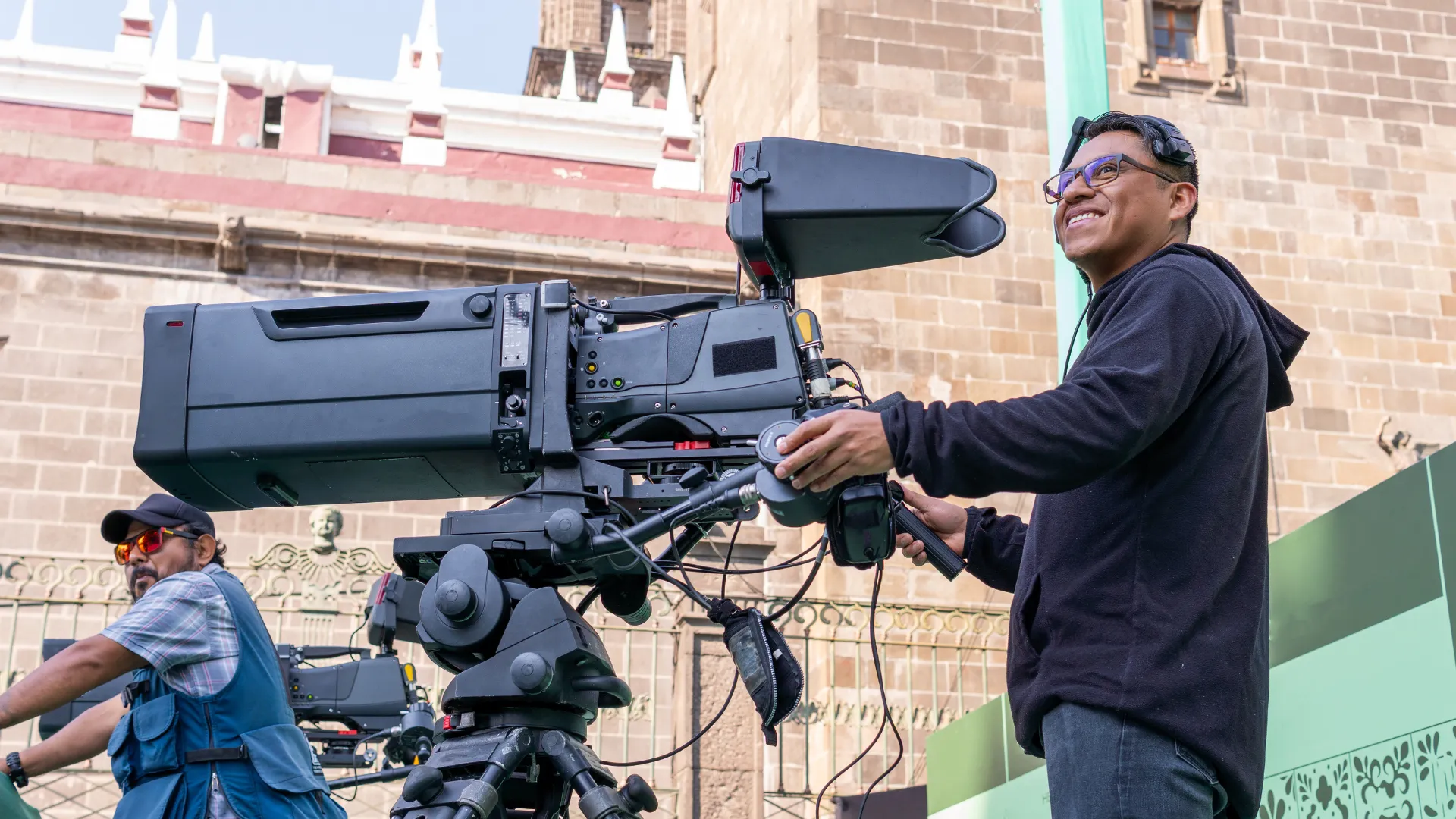
- Livestream testing including camera angles, broadcast audio quality, and platform connectivity
- Timing validation to confirm that the run-of-show is achievable within the planned schedule
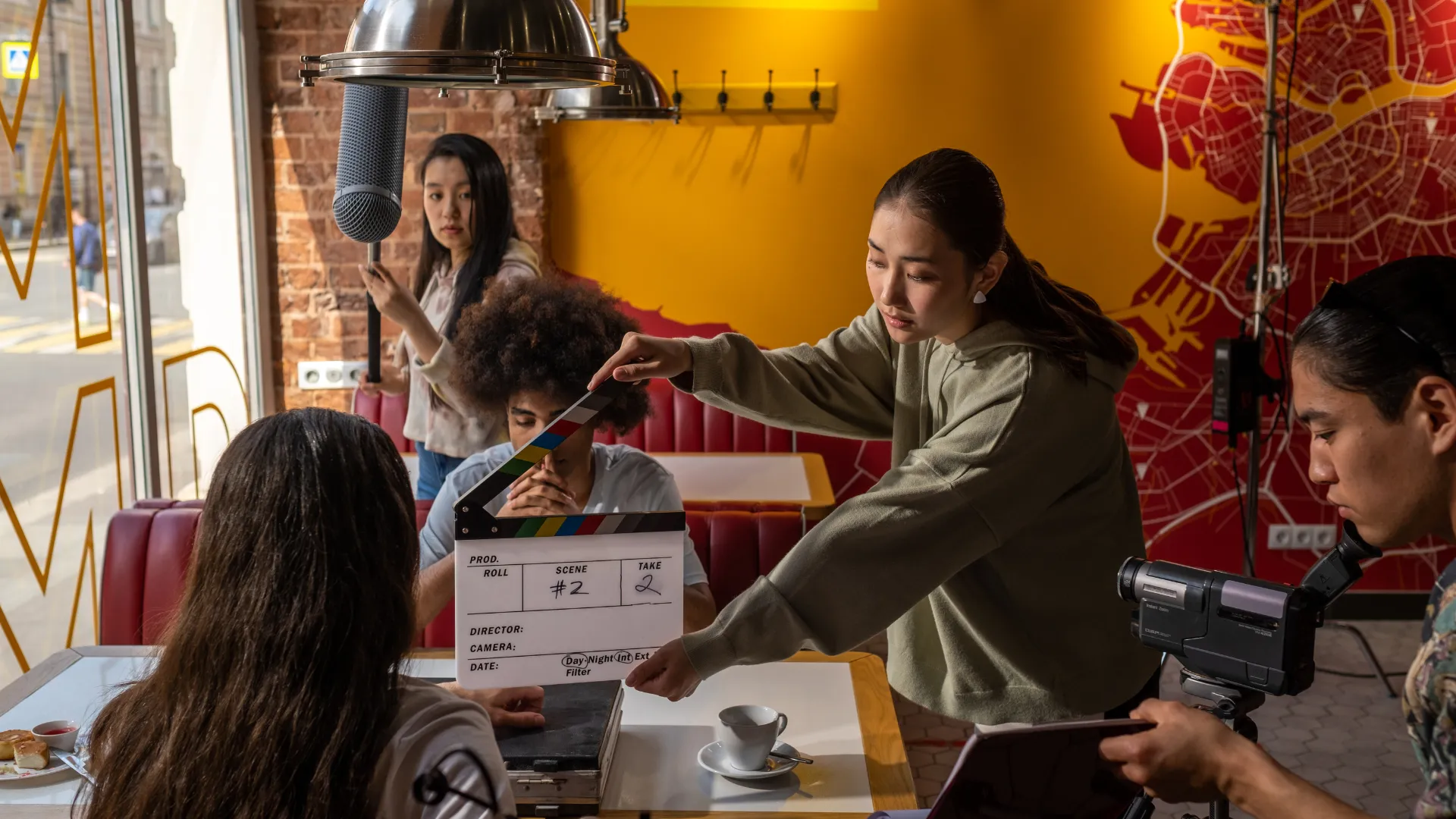
The rehearsal should replicate the live event as closely as possible. Shortcuts during rehearsal typically result in problems during the event.
Rehearsal Requirements by Event Type
Different event types create different rehearsal priorities. Understanding these differences helps production teams allocate rehearsal time effectively.
Conference
Presentations
Microphone Transitions
Stage Changeovers
Town Hall
Leadership Presentations
Livestream Quality
Q&A Systems
Gala Dinner
Awards Cues
Entertainment Transitions
Lighting Sequences
Product Launch
Reveal Moments
Video Playback
Live Demonstration Timing
Hybrid Event
Broadcast Systems
Remote Audience Interaction
Connectivity
Gala dinners and award ceremonies require particular attention to cue management, the precise timing of lighting changes, music cues, and video playback that makes recognition moments feel polished. A missed cue during an award presentation is immediately noticeable to everyone in the room.
For more on award ceremony production requirements, see our award ceremony planning checklist.
Common Problems Rehearsals Prevent
Most event failures are discovered during rehearsals, not during the event itself. That is exactly why rehearsals exist.
Microphone Failures
Identifies faulty equipment, battery issues, and audio routing problems before the event begins.
Incorrect Presentation Files
Catches outdated versions, formatting issues, and compatibility problems before presenters go live.
Broken Video Playback
Tests all video content within the actual playback environment to ensure seamless execution.
Timing Overruns
Reveals programme segments that exceed their allocated timings and require adjustment.
Livestream Interruptions
Tests connectivity, stream stability, and bandwidth capacity before remote audiences join.
Stage Access Issues
Confirms presenter movement, backstage access, and stage transitions work smoothly.
Speaker Uncertainty
Gives presenters confidence by familiarising them with the stage, equipment, and programme flow.
The common thread: these mistakes come from treating production as a rental checklist, rather than a live coordination function that requires planning and rehearsal.
Why Hybrid Events Require More Rehearsal Time
Hybrid events create two audiences, and both experiences need testing. This is the most significant factor that distinguishes hybrid event rehearsals from standard in-room rehearsals.
In addition to the standard rehearsal activities, hybrid events require:
- Broadcast quality testing across all camera positions and angles
- Remote audience experience testing from the perspective of someone joining online
- Internet redundancy testing to confirm that backup connectivity activates correctly
- Streaming platform testing including access, latency, and quality at different bandwidth levels
- Virtual interaction tool testing for Q&A systems, polling, and audience participation features
Hybrid events also require speakers to be prepared for the broadcast environment. Presenting to a camera while simultaneously engaging an in-room audience is a different skill from standard presentation delivery.
Rehearsal time allows speakers to develop comfort with this format before the live event.
For more on hybrid event production requirements, see our hybrid event management guide and hybrid town hall event guide.
For more on livestream production specifically, see our livestream production guide.
Signs an Event Needs a Full Technical Rehearsal
The more moving parts an event has, the more valuable rehearsal becomes. Events that include any of the following elements should plan for a full technical rehearsal:
- Multiple speakers with individual microphone requirements
- Livestream or hybrid broadcast components
- LED walls or complex visual production
- Multiple presentation files from different speakers
- Entertainment segments with specific cue requirements
- Product demonstrations with technical dependencies
- Awards presentations with video content and music cues
- Large audiences where production failures are highly visible
A single-speaker presentation in a small meeting room may not require a full technical rehearsal. A multi-session conference with a hybrid broadcast, multiple speakers, and awards presentations absolutely does.
Better Events Start Before Event Day
Successful events are not the result of luck. They are the result of preparation.
The production team that arrives on event day having conducted a thorough technical rehearsal is not hoping the event will go well, they know it will, because they have already run it.
Technical rehearsals are one of the clearest indicators of professional event production. They reflect an understanding that live events carry real risk, that audiences notice failures, and that the best way to protect the event experience is to find and fix problems before the audience arrives.
ERS Asia supports event production and corporate event management across conferences, town halls, gala dinners, hybrid events, and product launches. For more on what professional event production involves, see our guide on what event production includes.
Frequently Asked Questions
What is a technical rehearsal?
A technical rehearsal is a structured pre-event run-through that tests all production systems, presentations, audio, lighting, video content, and event timing before the audience arrives. It is designed to identify and resolve technical and operational problems under live conditions, using the actual equipment and venue that will be used during the event.
Why are technical rehearsals important?
Technical rehearsals reduce the risk of live event failures by identifying problems before they become visible to the audience. They also improve speaker confidence, align production and event management teams on timing and cues, and protect the quality of communication at events where leadership messages or recognition moments are at stake.
What happens during a technical rehearsal?
A technical rehearsal typically includes microphone testing, presentation file checks, video playback verification, lighting cue testing, stage movement rehearsals, livestream testing, and run-of-show timing validation. The rehearsal should replicate the live event as closely as possible, testing all systems together rather than individually.
How long should an event rehearsal last?
Rehearsal duration depends on the complexity of the event. A straightforward conference with multiple speakers may require two to four hours.
A hybrid event with complex production, awards segments, and entertainment may require a full day or more. The rehearsal should be long enough to run through every element of the programme at least once, with time to address issues that are identified.
Do hybrid events require technical rehearsals?
Yes, and they typically require more rehearsal time than standard in-room events. Hybrid events must test both the in-room production and the broadcast experience simultaneously.
This includes camera positions, broadcast audio quality, internet connectivity, streaming platform access, and virtual interaction tools. Both audience experiences must be validated before the event goes live.
When should a technical rehearsal take place?
A technical rehearsal should take place after the venue is fully set up and all production equipment is installed and operational, but before the audience arrives. For complex events, this typically means the day before the event or on the morning of the event day.
Rehearsals conducted too close to the event start time leave insufficient time to address problems that are discovered.
Table of Contents
Related Articles