How to Choose an Event Management Company in Singapore
- Updated: June 6, 2026
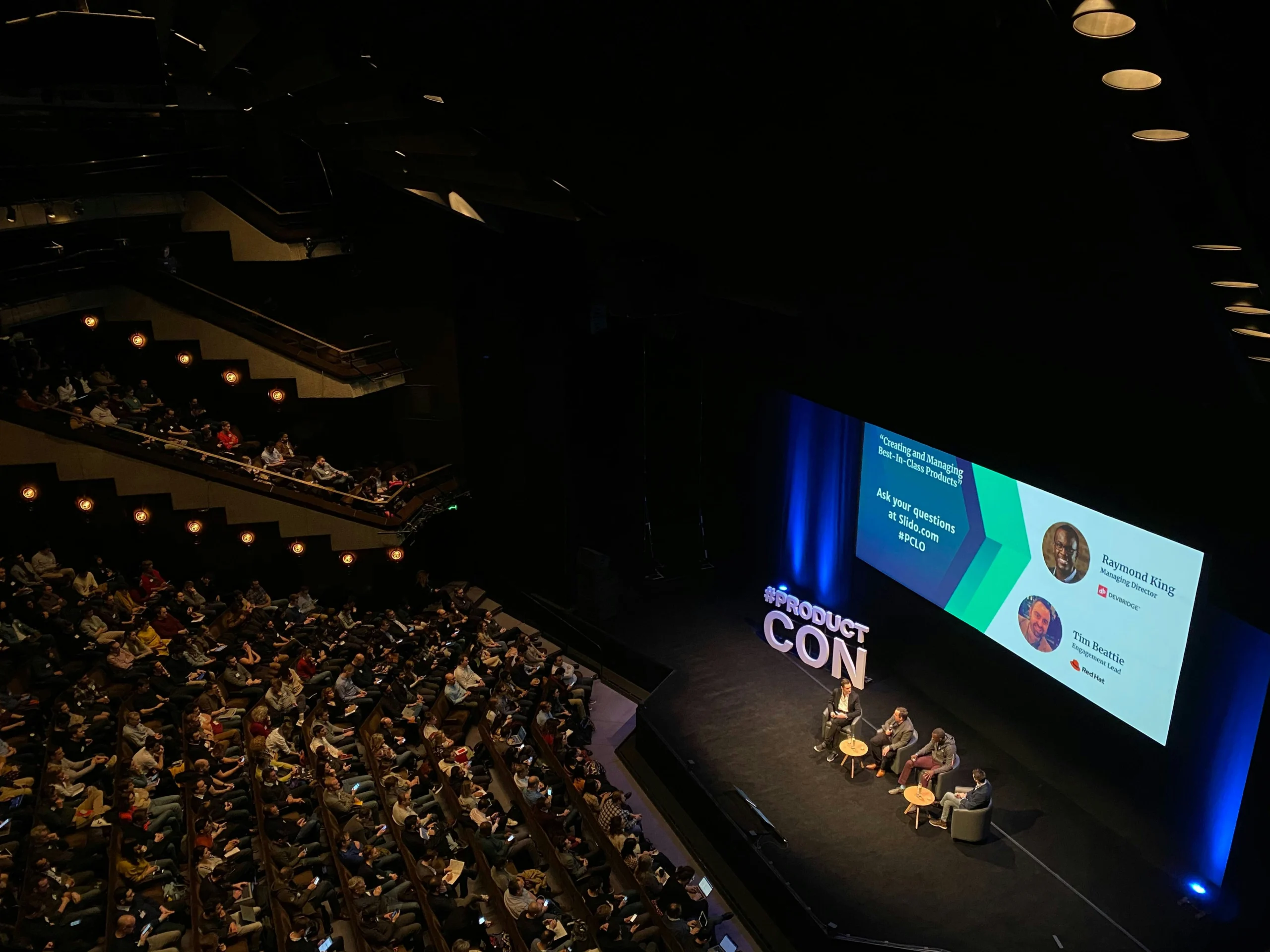
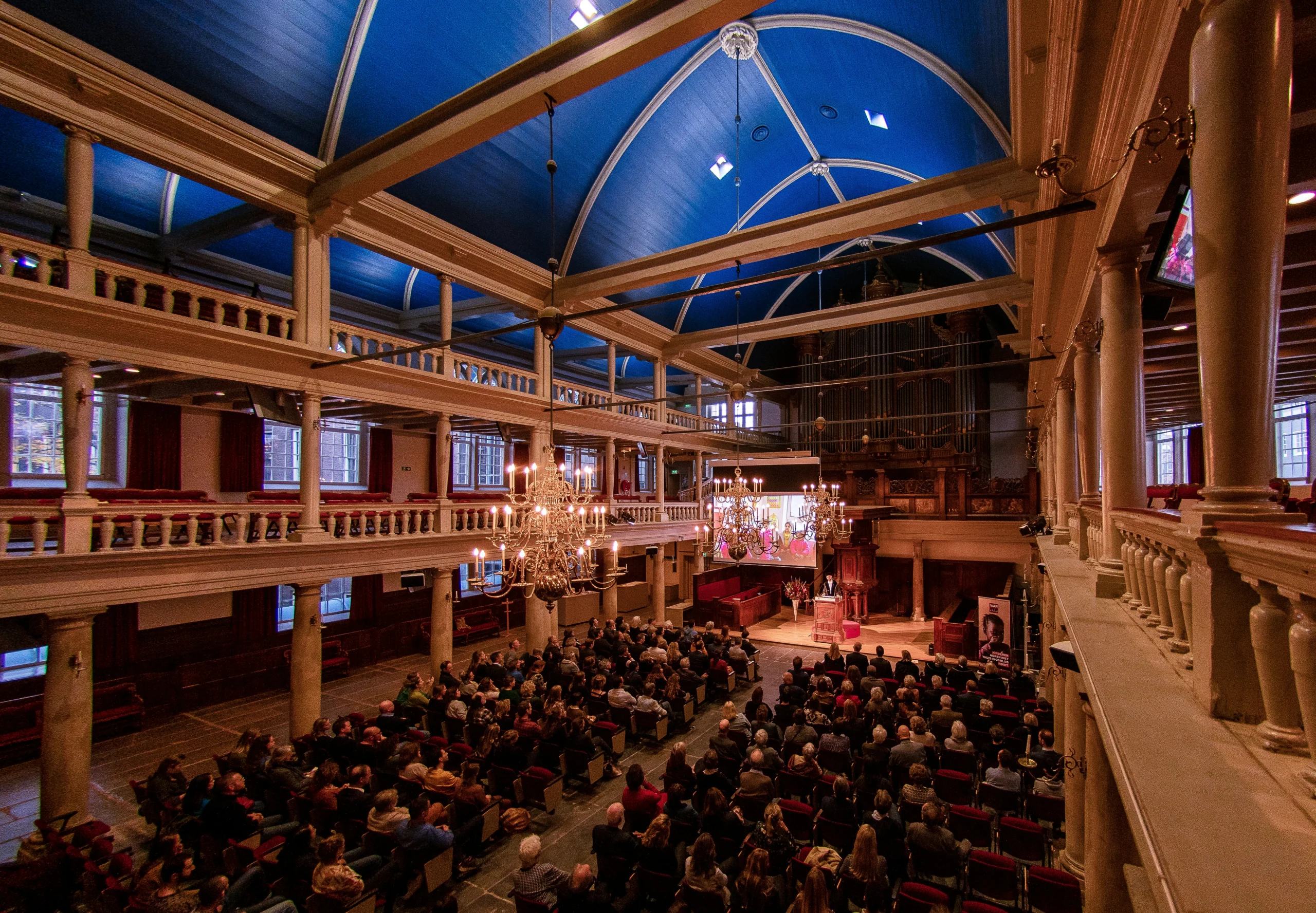
Corporate events today involve much more than venue booking and event logistics. From conferences and town halls to gala dinners and product launches, businesses increasingly rely on event experiences to strengthen communication, engagement, and brand perception.
Choosing the right event management company can directly impact how smoothly your event runs and how audiences experience it.
However, not all agencies offer the same level of corporate event expertise, production capability, or planning support.
This guide covers the key factors businesses should evaluate before choosing an event management company in Singapore.
Define Your Event Goals First
Before approaching an event agency, clarify what your event is actually trying to achieve.
Different corporate events require different planning approaches, production setups, and audience engagement strategies. An agency experienced in gala dinners may not necessarily specialise in leadership town halls or regional conferences.
Your event goals may involve:
- internal communication
- employee engagement
- client networking
- product launches
- conferences
- gala dinners and award ceremonies
Having clear objectives helps narrow down agencies with the right expertise for your event type.
For example, a leadership town hall often requires stronger communication flow and hybrid production support, while a product launch may focus more on audience experience, staging, and brand presentation.
If you are planning a large-scale corporate event, working with an experienced corporate event management company in Singapore can help align event strategy with execution more effectively.
Look for Relevant Corporate Event Experience
Experience matters, especially for corporate events where timelines, stakeholder expectations, and production requirements are often more complex.
Instead of relying on generic claims, review the agency’s actual portfolio and past event work.
Look for experience handling:
- corporate conferences
- town hall meetings
- gala dinners
- hybrid events
- regional corporate events
- executive or leadership events
A strong portfolio usually gives a better indication of operational capability than marketing statements alone.
Pay attention to whether the agency has experience managing events similar to yours in scale, audience type, and technical requirements.
You can also review their corporate event portfolio to better understand their event approach, production quality, and experience across different event formats.


Evaluate Their Planning Process
A successful corporate event usually comes down to one thing: how well the planning is managed behind the scenes.
Good event agencies do more than coordinate vendors. They create a structured process that keeps timelines, production, stakeholders, and execution aligned from start to finish.
A typical event planning workflow often includes:
Strategy & Concept
This stage focuses on the purpose and direction of the event.
It may include:
- audience experience
- event flow
- creative direction
- communication objectives
- engagement ideas
A clear strategy helps prevent events from feeling generic or disconnected.
Logistics & Coordination
This is where operational planning happens.
It usually involves:
- venue coordination
- scheduling
- vendor management
- registration planning
- manpower coordination
- event timelines
Strong coordination often determines whether an event feels organised or chaotic on the actual day.
Production Planning
This stage covers the technical side of the event.
It may include:
- staging layouts
- AV planning
- lighting setup
- livestream integration
- technical rehearsals
- contingency planning
For larger corporate events, production planning becomes increasingly important as technical complexity increases.
If your event involves stage production or hybrid experiences, it helps to work with an agency experienced in corporate event production support.
Onsite Execution
Even the best event plans still require strong onsite management.
This includes:
- show calling
- speaker coordination
- cue management
- audience flow
- troubleshooting
- timeline control
Well-executed events usually feel smooth because problems are resolved quietly before attendees even notice them.
Review Their Production Capabilities
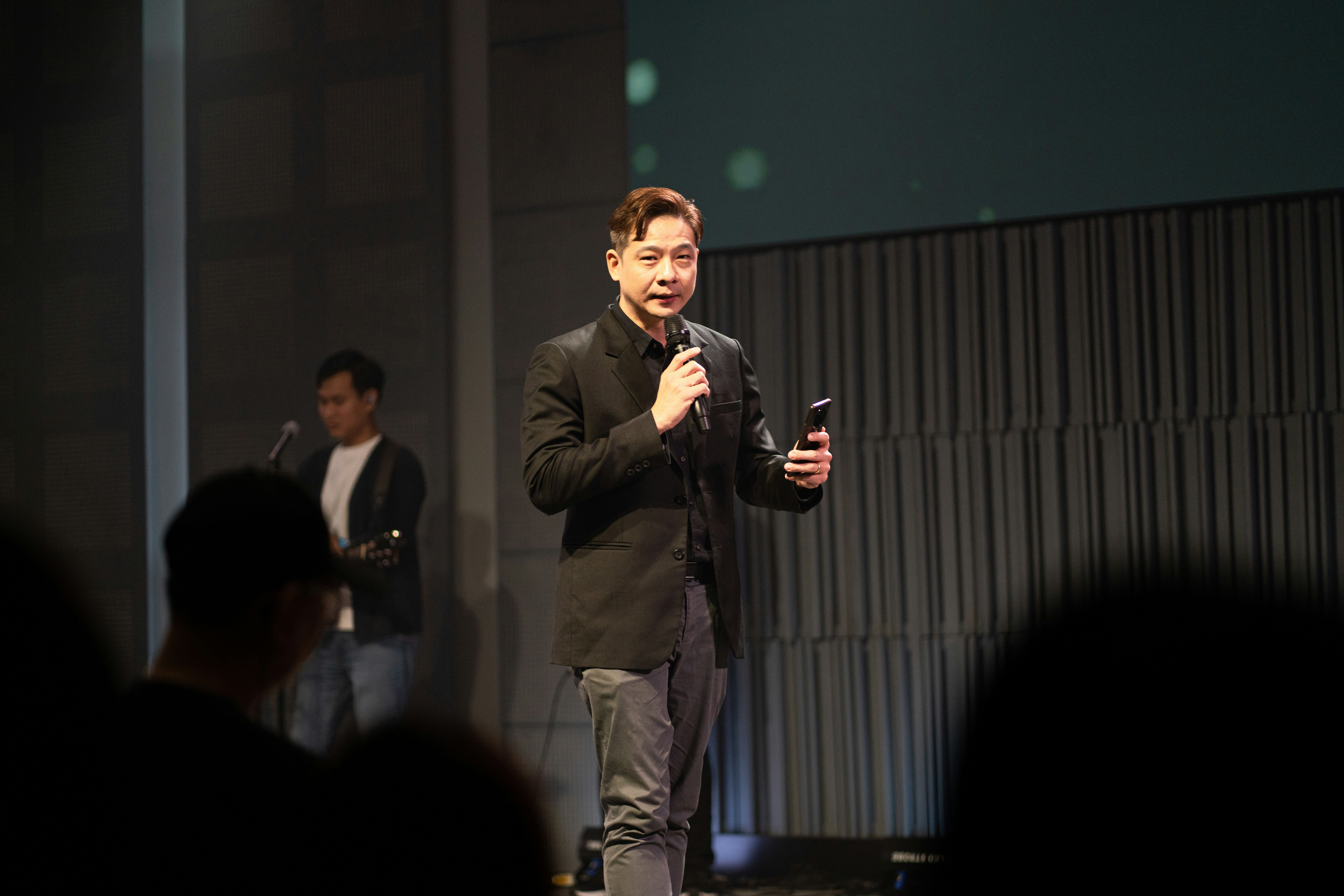
Production quality can completely change how audiences experience an event.
Poor sound, weak lighting, delayed cues, or technical issues can quickly affect engagement and professionalism, especially during conferences, leadership town halls, or product launches.
When evaluating an event company, review whether they can support:
- AV systems
- stage production
- lighting design
- LED walls
- livestream production
- hybrid event support
- technical rehearsals
Strong production support helps presenters communicate more clearly, keeps audiences engaged, and creates a more polished overall experience.
This is especially important for large-scale town hall events, conferences, and regional corporate meetings where communication and audience visibility play a major role.
Assess Communication & Responsiveness
Corporate event planning rarely goes exactly as planned.
Timelines shift, approvals change, speakers update their requirements, and last-minute revisions are common. This is why communication matters just as much as operational capability.
A reliable event agency should communicate clearly throughout the planning process, not only during the proposal stage.
Pay attention to:
- response speed
- proposal clarity
- how revisions are handled
- coordination between stakeholders
- transparency on timelines and updates
Good communication often reduces unnecessary stress and helps events run more smoothly behind the scenes.
Compare Value, Not Just Pricing
Choosing the cheapest quotation may save costs initially, but it can also create operational issues later if planning, production, or execution quality is compromised.
Instead of comparing pricing alone, evaluate the overall value the agency provides.
This may include:
- planning reliability
- production support
- event experience
- onsite coordination
- technical capability
- contingency management
For corporate events, smooth execution and audience experience often matter more than reducing short-term costs.
A well-managed event reflects directly on the company organising it, especially during leadership events, conferences, or client-facing experiences.
Questions to Ask Before Hiring an Event Management Company
Before making a final decision, it helps to ask a few practical questions beyond pricing and presentation decks.
A good event partner should be able to explain their process clearly and show relevant experience confidently.
Some useful questions include:
What types of corporate events do you specialise in?
Different agencies may focus on conferences, exhibitions, gala dinners, brand activations, or leadership events.
Do you manage production in-house?
This helps you understand whether technical coordination and production support are managed directly or outsourced.
Can you support regional or hybrid events?
Important for companies managing audiences across multiple locations or countries.
Who will manage the event onsite?
Clarify who your main point of contact will be during the actual event.
What does your planning process look like?
A structured workflow usually reflects stronger operational organisation.
Can you share similar projects or case studies?
Past work often gives a clearer picture of execution capability than generic marketing claims.
Common Red Flags to Watch Out For
Not every event proposal reflects the actual quality of execution behind it.
While every project is different, there are a few warning signs companies should pay attention to when evaluating event agencies.
Unclear Quotations
If deliverables, production scope, or responsibilities are vague, misunderstandings can happen later during planning or execution.
Weak Communication
Slow responses, inconsistent updates, or unclear coordination early in discussions often become bigger issues closer to the event date.
Unrealistic Promises
Be cautious of agencies that promise extremely low budgets, unrealistic timelines, or overly ambitious deliverables without proper planning discussions.
Limited Relevant Portfolio
A company may have event experience, but not necessarily in the type of corporate event you are planning.
Always review relevant project examples where possible.
Poor Planning Structure
If the planning process feels disorganised from the beginning, there is a higher risk of operational issues during execution.
Strong events are usually supported by strong planning systems behind the scenes.
Choosing the Right Event Partner
The right event management company should do more than coordinate logistics.
They should understand the purpose behind the event, communicate clearly throughout the planning process, and execute experiences that reflect your organisation professionally.
Whether you are planning a conference, leadership town hall, gala dinner, product launch, or regional corporate event, choosing an experienced event partner can help reduce operational complexity and improve overall audience experience.
ERS Asia supports companies across Singapore and Asia with corporate event management, town hall events, conferences, gala dinners, and strategic event production support for both in-person and hybrid experiences.
You can also explore our recent event projects to see how different corporate events are planned and executed across various industries.
Frequently Asked Questions
What does an event management company do?
An event management company plans, coordinates, and executes events such as conferences, corporate meetings, gala dinners, product launches, and employee engagement events.
This may include:
- venue coordination
- event logistics
- production support
- vendor management
- audience experience planning
- onsite execution
How early should event planning start?
Planning timelines depend on the size and complexity of the event.
Smaller corporate events may require only a few weeks of preparation, while larger conferences, regional meetings, or gala dinners often begin planning several months in advance.
Earlier planning usually provides more flexibility for venues, production setup, and stakeholder coordination.
Do event companies provide event production support?
Many corporate event agencies also manage technical production support.
This may include:
- AV systems
- stage production
- lighting
- LED walls
- livestream setup
- hybrid event support
- technical rehearsals
For larger events, production planning often plays a major role in audience experience and event flow.
Can event agencies manage hybrid events?
Yes. Many corporate event companies now support hybrid events that combine physical and virtual audiences.
Hybrid event support may include:
- livestream production
- remote speaker integration
- virtual audience engagement
- multi-location coordination
- technical broadcast support
This is commonly used for regional town halls, conferences, and leadership communication events.
What should companies look for in an event partner?
Companies should evaluate:
- relevant event experience
- planning structure
- production capability
- communication quality
- operational reliability
- portfolio relevance
A strong event partner should be able to align planning, production, and execution with the objectives of the event.
Table of Contents
Related Articles