
Corporate Event Video Production: A Strategic Content Guide
- Published: June 9, 2026
Why is professional video production critical for corporate events?
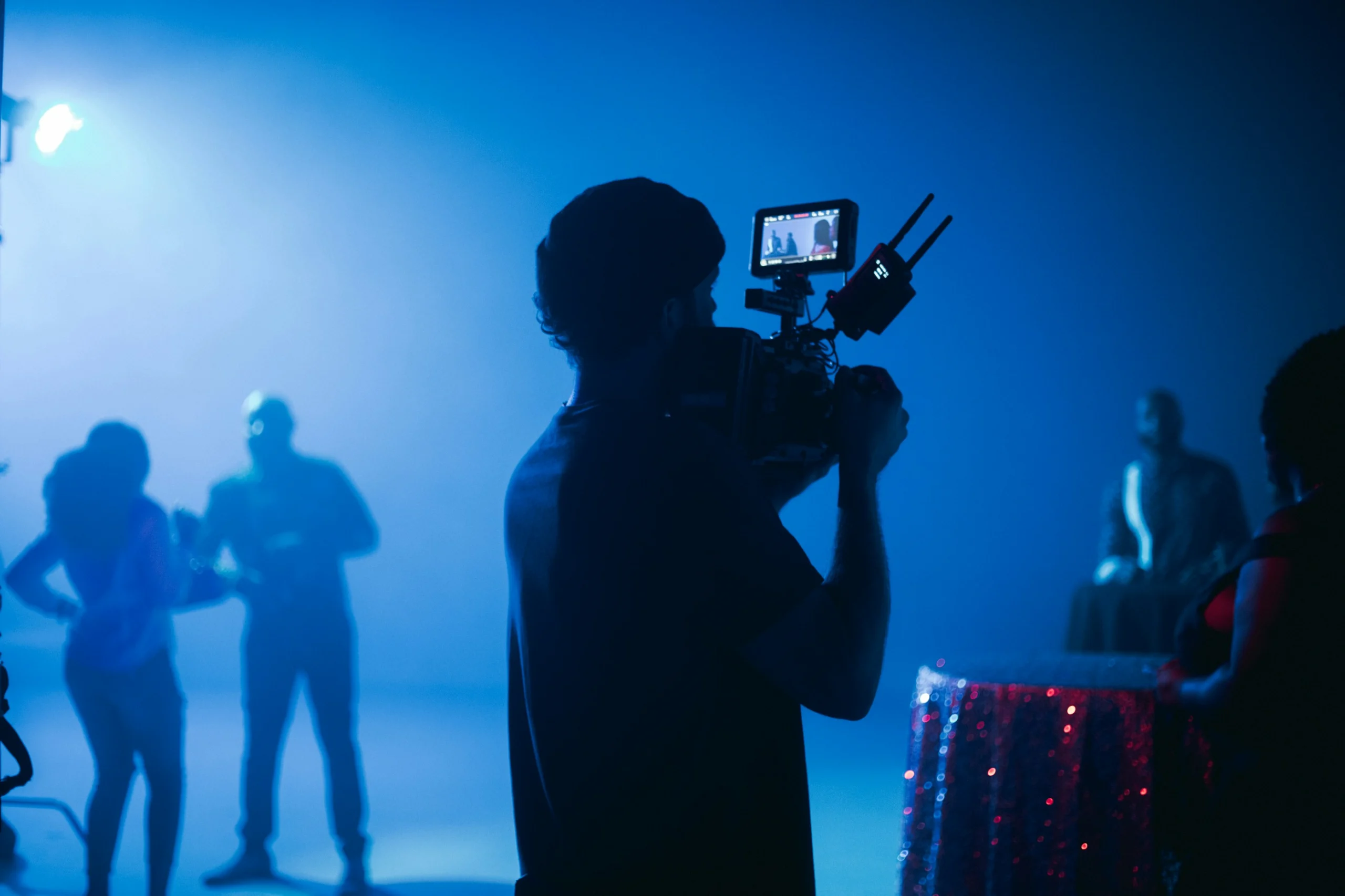
Professional event video production transforms a temporary corporate gathering into a permanent enterprise content asset. Enterprise-grade execution requires moving past basic highlight videography to engineer multi-camera coverage, broadcast-quality audio captures, and real-time livestream architectures that secure long-term communication ROI.
For enterprise marketing directors, corporate communications teams, and event coordinators, a large-scale corporate function is no longer just a one-day assembly. It is a high-yield content opportunity. The media captured on-site serves as the primary engine for your post-event marketing, internal stakeholder alignment, brand positioning, and global recruitment initiatives.
Yet, most standard market offerings view this through a narrow lens—positioning themselves as creative videographers focused solely on cinematic recap montages.
Cinematic aesthetics are secondary to operational utility. An enterprise-grade deployment demands a focus on communication engineering, treating on-site filming as a critical node within your overarching media ecosystem. To maximize the asset value of your next summit or launch, your strategy must anchor to three operational imperatives:
- Multi-Source Broadcast Engineering: Integrating pristine multi-camera switching, synchronized lighting maps, and dedicated isolated audio feeds rather than relying on standard ambient room microphones.
- Real-Time Bimodal Distribution: Deploying highly stable, low-latency livestream pipelines that give distributed regional teams real-time parity with physical attendees.
- Post-Event Asset Lifespan: Architecting a content capture plan specifically designed for downstream repurposing—fragmenting long-form plenary presentations into targeted internal communications, executive thought-leadership assets, and social campaigns.
Whether broadcasted live from a corporate hub in Singapore or managed across cross-border APAC networks, upgrading from basic event videography to strategic corporate production is what transforms a temporary schedule into a multi-channel corporate asset.
The Event-Specific Production Matrix
Different corporate event formats require entirely distinct filming and production setups. A multi-camera configuration optimized for an educational conference will fail to capture the high-stakes brand energy required for a global product launch.
| Corporate Event Format | Primary Video Production Approach | Core Technical Equipment Layer | Strategic Communication Objective |
|---|---|---|---|
| Business Conference | Multi-camera plenary tracking & slide integration | HD video switchers, automated PPT sync feeds, directional lapel arrays | Capturing educational authority , panel debates, and expert keynotes |
| Product Launch | High-framerate tracking & dynamic angle coverage | Steadicam rings, specialized crane jib systems, low-light wide lenses | Creating maximum brand hype , reveal tracking, and media kits |
| Town Hall Meeting | Secure internal broadcast & two-way digital audio | Hardware encoders, encrypted video loops, split-room audio bridges | Connecting executive leadership directly with regional APAC workforces |
| Gala Dinner | Atmosphere documentation & low-light roaming coverage | Gimbal-mounted mobile rigs, wireless video transmitters, ambient light tracking | Preserving corporate heritage , awards capture, and stakeholder social proof |
| Hybrid Summit | Bimodal synchronization & live platform distribution | Dedicated primary and secondary stream pipelines, live audio compression | Ensuring zero engagement gap between local and remote viewers |
Technical Execution Metrics of Enterprise Video
To maintain a polished executive presence, corporate content must adhere to strict technical parameters. True broadcast quality requires precision across audio, lighting, and camera management:
- Isolated Audio Synchronization (ISO): Premium corporate production demands that audio inputs are mixed directly from the master AV console. Isolating individual lapel and podium microphones eliminates room echo, environmental reverb, and ambient audience noise.
- Dynamic Stage Lighting Alignment: Video camera sensors require specialized light balances. Technical teams must coordinate closely with stage engineers to ensure lighting temperatures match digital sensors, preventing unappealing color shifts or shadowed presentation spaces.
- Multi-Camera Direction & Switching: Static, single-camera setups cause immediate viewer fatigue. Enterprise capture requires a dedicated technical director managing real-time switching between close-up speaker profiles, wide environmental captures, and crisp presentations slides.
Livestream & Hybrid Event Production Architecture
Technical execution converts a routine company meeting into an immersive brand experience. For modern hybrid programs connecting international corporate offices, production values are critical trust indicators.
Phase 1
Signal Pipeline Engineering
Configure multiple camera feeds into a centralized hardware video switcher. Map digital presentations side-by-side with live presenter footage to guarantee crisp readability on remote displays.
Phase 2
Dedicated Network Stress Testing
Establish a primary high-bandwidth network line alongside a secondary, automated cellular backup system. Conduct rigorous upload stress tests to confirm bitrates remain completely stable under heavy load.
Phase 3
Real-Time Encoding & Platform Handshake
Push live video signals through enterprise-grade hardware encoders. Transmit the streams securely to corporate intranets or localized interactive systems such as your town hall management interfaces with sub-second latency targets.
Phase 4
Interactive Audience Parity Sync
Activate real-time digital participation systems. Seamlessly blend live video output with digital audience tools like live Q&As or polling dashboards to unite physical and remote participants.
Post-Event Lifespan: Maximizing Asset Value
An enterprise video asset should never sit idle in a hard drive after an event concludes. To extract maximum value from your production investment, implement a structured content division workflow:
- Internal Executive Alignment: Convert major town hall or leadership panels into micro-learning segments for ongoing employee onboarding and global internal training portals.
- Thought Leadership Distribution: Package high-value keynote segments into polished LinkedIn thought-leadership videos for your executive team.
- B2B Lead Generation Engines: Trim down key conference findings or product reveal highlights into targeted promotional videos to support upcoming marketing campaigns and client acquisition.
Risk Diagnosis: 5 High-Frequency Production Mistakes
To insulate a corporate budget from structural oversights, project managers must proactively protect their workflow against these five high-frequency failure points.
1
Relying on Room Audio
Capturing audio through a camera’s built-in microphone rather than a direct console patch, resulting in echoing, unusable content.
2
Unrehearsed Screen Conversions
Failing to run technical tests on how presenter slides render on live video streams, causing illegible text for remote viewers.
3
Siloed Media Teams
Treating video crews as separate entities rather than integrating them closely with your on-site event production team .
4
Inadequate Power and Network Redundancy
Launching multi-camera feeds or livestreams without a backup power source or alternative cellular network lines.
5
Lack of Downstream Planning
Shooting hours of continuous footage without a clear post-event editing plan or established clip markers.
Integrated Authority Conclusion
Modern corporate communication demands a shift away from basic, uninspired event recording. Delivering a truly impactful asset demands combining deep strategic foresight with flawless technical execution.
At ERS Asia, we don’t just offer generic videography services; we provide comprehensive corporate event management and production engineering. By taking absolute operational accountability for everything from multi-camera arrays to secure regional livestream infrastructure, we ensure your event’s message resonates long after the stage lights go down.
To see our technical production standards in action across major regional summits, explore our recent event projects.
Frequently Asked Questions
What is included in professional corporate event video production?
Professional corporate video production involves a full-scale technical operation encompassing pre-event script mapping, multi-camera configuration (combining roaming, close-up, and wide master angles), direct digital audio mixing console patches, synchronized stage lighting design, real-time video switching, and structured post-event editing workflows designed for multi-channel content repurposing.
What is the role of an emcee in a hybrid event?
As established in our corporate emcee selection playbook, an emcee acts as a vital bridge for video production teams. The host coordinates directly with technical show directors to deliver clear camera cues, read chat questions from remote participants, and manage transitions cleanly, ensuring the final video stream feels like a single cohesive broadcast for both physical and virtual audiences.
How do you ensure livestream stability during a major corporate town hall?
Livestream security requires building absolute technical redundancy into your venue configuration. This involves deploying primary hardware video encoders backed up by independent cellular network lines, utilizing specialized multi-bitrate streaming protocols that adapt dynamically to remote user connection speeds, and executing comprehensive technical rehearsals prior to going live.
Table of Contents
Related Articles