

Corporate Sound System Rental in Singapore: A B2B Audio Guide
- Updated: July 17, 2026
How do you specify a sound system rental for corporate events?
Specifying a corporate sound system rental requires calculating three acoustic factors: total audience zone coverage to prevent volume drops, isolated wireless frequency scanning to eliminate interference, and dedicated localized processing chains to guarantee speech intelligibility during plenary sessions.
For enterprise marketing divisions, corporate communications departments, and regional APAC event planners, audio execution is a mission-critical variable. If your sound system fails, drops signals, or suffers from ambient room reflection, it introduces severe operational risks, instantly compromising executive messaging and damaging brand prestige in front of high-value stakeholders.
Yet, standard equipment hire firms treat audio setups as simple equipment line items, dumping basic point-source speakers into challenging architectural environments without conducting an acoustic calculation.
Amateur AV setups generate poor signal clarity and user fatigue. Ensuring absolute execution safety at an executive conference, product launch, or regional town hall requires moving past generic party-rental gear to architect your sound system around strict engineering metrics.
Audio Hardware Architecture for Enterprise Formats
Corporate environments demand specific speaker coverage behavior. Throwing unmatched, high-distortion audio arrays into large commercial ballrooms or industrial layouts will ruin your event’s acoustic flow.
Enterprise Conference
Audio System Profile
Scaled line-array speaker systems, ground-supported or hung.
Transmitter & Microphone Layer
Directional UHF wireless lapels and digital podium goose-necks.
Primary Acoustic Challenge
Mitigating room echo while ensuring consistent front-to-back room volume.
Executive Town Hall
Audio System Profile
Multi-point distributed PA systems with local delay lines.
Transmitter & Microphone Layer
Encrypted digital handheld arrays with integrated feedback suppressors.
Primary Acoustic Challenge
Minimizing latency lag across real-time broadcast and physical room outputs.
High-Impact Product Launch
Audio System Profile
Subwoofer-assisted full-range arrays with sub-bass control.
Transmitter & Microphone Layer
High-headroom wireless headset mics and dedicated multi-track inputs.
Primary Acoustic Challenge
Balancing punchy, brand-heavy multimedia playback with clear speech delivery.
Corporate Gala Dinner
Audio System Profile
Low-profile perimeter speakers with zone control switches.
Transmitter & Microphone Layer
High-frequency wireless handhelds and multi-input stage mixing consoles.
Primary Acoustic Challenge
Keeping table conversation zones comfortable while projecting crisp audio.
Technical Execution Metrics of Professional Audio
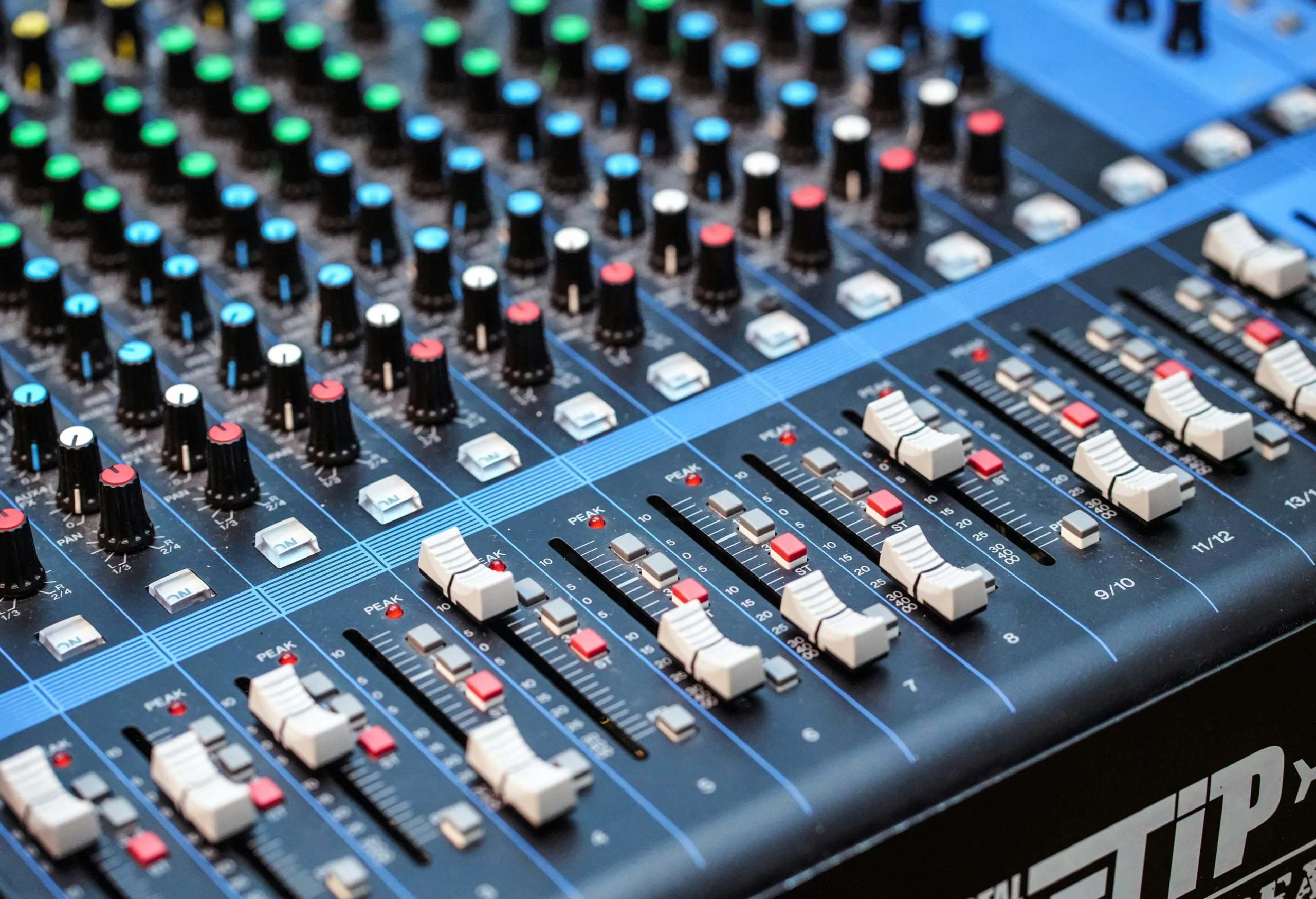
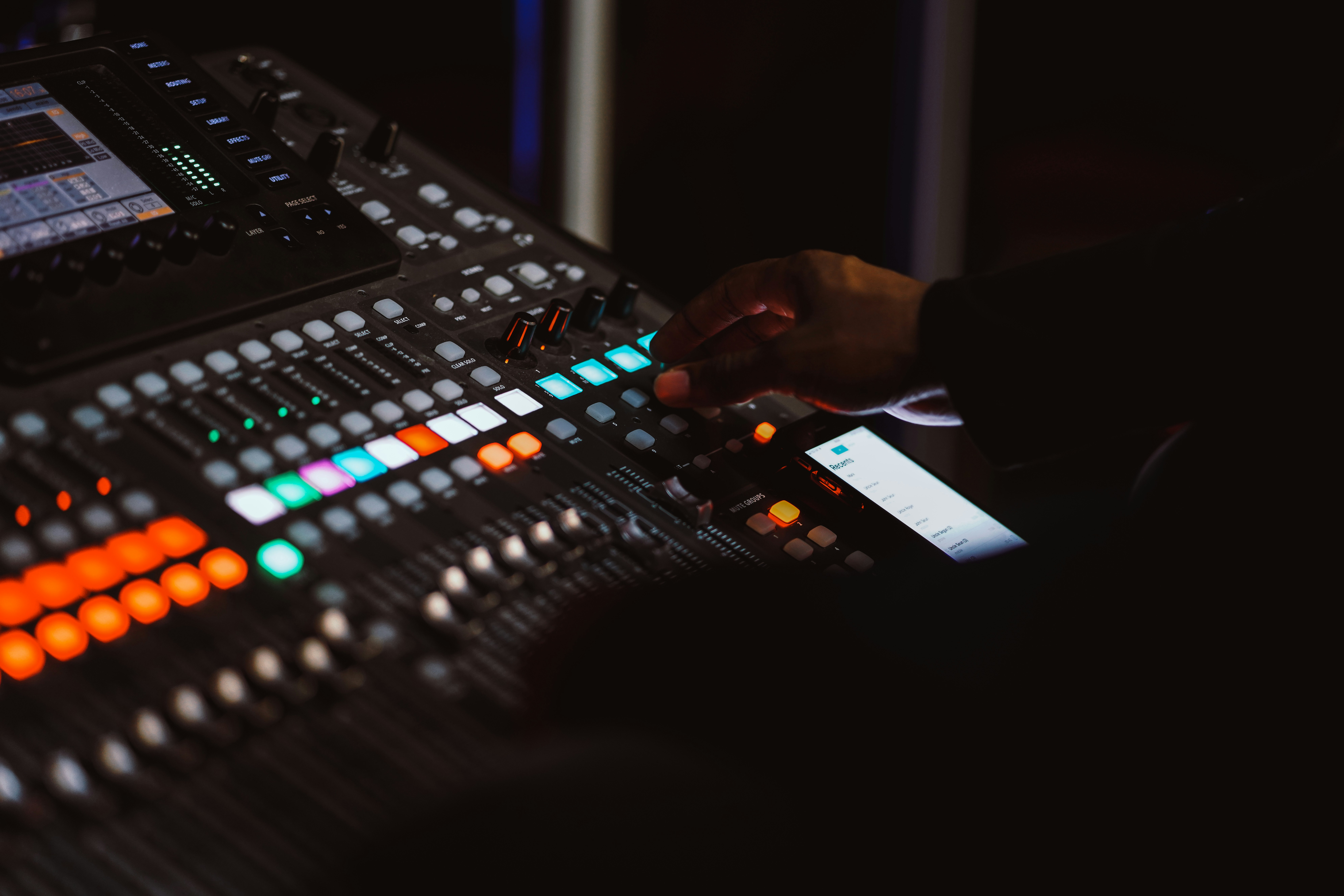
A premium sound system rental relies entirely on the technical parameters established by your on-site engineering team behind the audio mixing console.
- Speech Intelligibility Standards: Achieve a high Speech Transmission Index (STI) rating by angling directional speaker horns precisely at the audience’s ear levels, completely avoiding direct audio reflections off hard glass walls or low plaster ceilings.
- RF Spectrum Frequency Isolation: Singapore’s dense commercial environments suffer from highly congested radio frequency (RF) bands. Audio engineers must run a live spectrum scan prior to showtime, locking wireless microphones into clean, intermodulation-free digital frequencies.
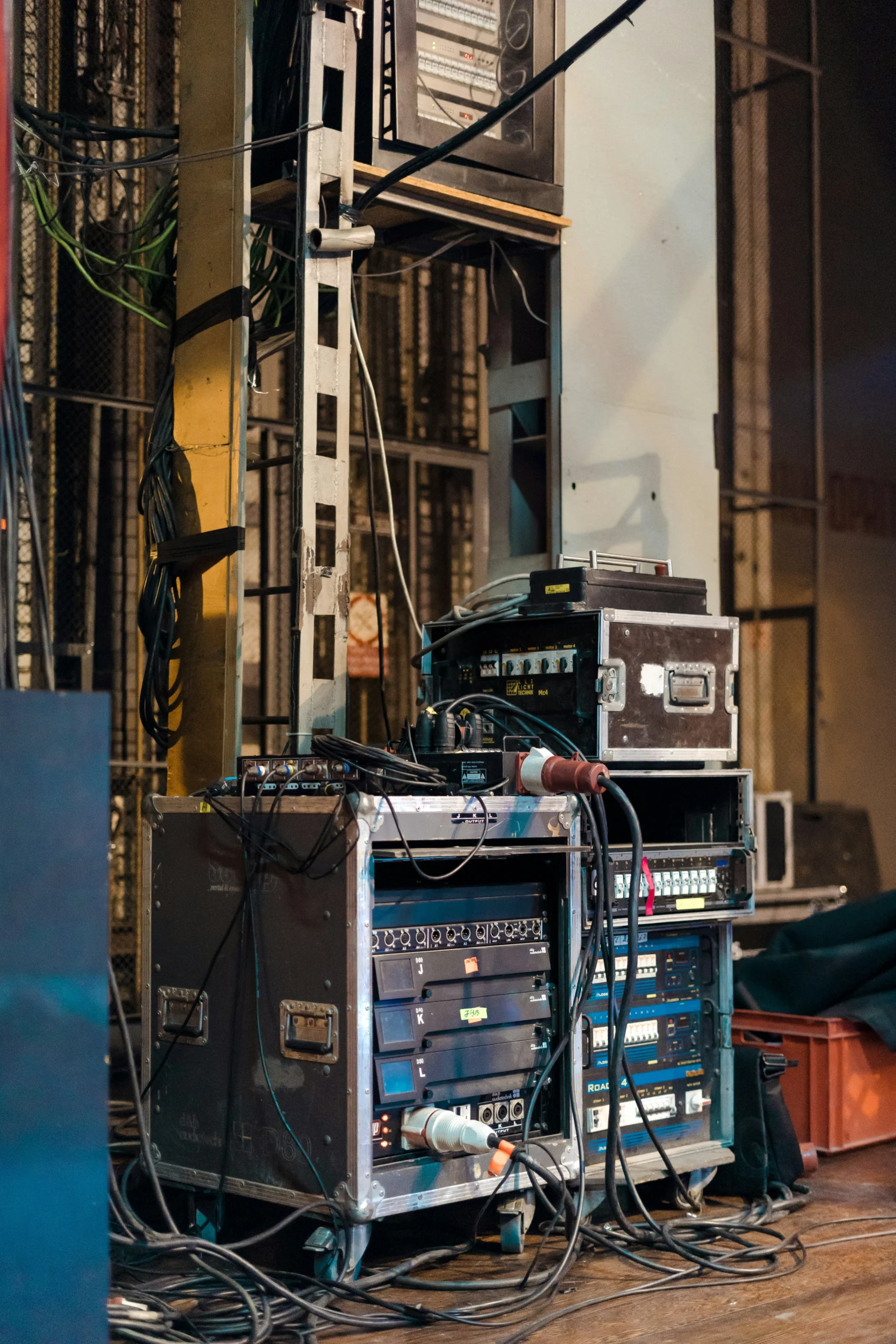
- Redundant Signal Pipeline Design: Implement analog and digital backup pathways from the master mixing desk down to the amplifier racks. If a primary network line drops, the system must automatically switch pipelines instantly without creating an audible audio drop.
The Operational Sound Check & Deployment Protocol
A sound system may deliver high clarity during an empty venue sound check, but sound waves react completely differently once a room fills with physical attendees.
Phase 1
Room Impulse and Acoustic Scan
Utilize calibrated measurement microphones and real-time audio software to analyze the venue's natural reverb times and frequency response curves before equipment is brought in.
Phase 2
Truss Mechanical Safety & Line-Array Rigging
Verify the weight limits of the venue's rigging points. Securely hang or ground-support your loudspeaker columns, configuring the precise cabinet articulation angles calculated during pre-production.
Phase 3
Gain-Before-Feedback and EQ Optimization
Ring out the room by systematically boosting microphone gains to locate and notch out problem frequencies. This eliminates high-pitched feedback squeals before presenters take the stage.
Phase 4
Cross-Platform Broadcast Sync & Level Balancing
Route clean, processed audio matrix feeds straight into your on-site video capture rigs and town hall livestream encoders. Balance internal room volumes with digital broadcast streams.
Diagnostic Risk Analysis: 5 Critical Audio Failures
To insulate your next corporate budget from technical execution errors, ensure your project team stays insulated from these five common procurement flaws:
- Utilizing DJ Rigs for Corporate Keynotes: Deploying bass-heavy entertainment speakers that lack the explicit mid-range vocal projection required for clear executive presentations.
- Neglecting Multi-Zone Delay Balancing: Failing to time-align secondary delay speakers in deep rooms, creating a highly distracting, echo-like audio experience for back-row attendees.
- Passively Passing Physical Microphones: Passing regular hand mics around large plenary crowds without setting up dedicated zone-gate controls, resulting in immediate acoustic feedback loops.
- Deploying Non-Divergent Frequencies: Operating low-tier wireless gear without checking local Infocomm Media Development Authority (IMDA) frequency regulations, risking sudden interference from local security communications.
- Ignoring Presenter Audio Monitors: Forgetting to configure dedicated floor wedge monitors or in-ear feeds for your stage presenters, leaving speakers struggling to hear themselves speak.
Experience Engineering with ERS Asia
Modern brand communication requires looking past basic equipment rentals. Securing an uncompromised acoustic footprint demands pairing premium audio hardware with rigorous engineering execution.
At ERS Asia, we eliminate execution risk across Singapore and regional APAC spaces. We don’t just supply raw equipment line items; our teams provide complete, end-to-end corporate event production and management solutions.
From micro-laser venue distance calculations and RF spectrum scans to managing real-time technical show calling, we keep your messaging loud, crisp, and safe.
To see our precision engineering standards in action on premium regional stages, explore our recent corporate event projects.

Frequently Asked Questions
What factors dictate corporate sound system rental costs in Singapore?
Enterprise audio pricing scales based on venue dimensions, audience volume, and required signal infrastructure. A basic, dual-speaker PA setup for small boardroom meetings ranges from SGD 600 to SGD 1,200. However, full-scale line-array distributions featuring digital mixing consoles, multi-mic arrays, frequency scanning managers, and dedicated engineering crews for large convention ballrooms typically range from SGD 3,500 to SGD 8,500+ per deployment.
Why do hybrid events require specialized sound system engineering?
Hybrid events require managing two entirely distinct audio mixes simultaneously. The physical room mix must account for on-site acoustics, room echo, and speaker volumes.
Meanwhile, the digital broadcast mix requires dedicated audio compression pipelines to feed crisp, ambient-free signals directly to remote viewers. Failing to isolate these mixes leads to digital echo loops or low volume for online participants.
How does ERS Asia prevent wireless microphone dropouts during live events?
We enforce complete signal redundancy by deploying dual-channel digital wireless receivers backed up by active directional antenna paddles. Our on-site event management crew maps out a dedicated local RF safety grid during technical rehearsals.
This ensures your presenters’ wireless frequencies stay completely isolated from public smartphones, production radios, and external venue communications.
Table of Contents
Related Articles