Corporate Event Planning Checklist
- Updated: June 6, 2026
Corporate events often involve far more coordination than most people see behind the scenes. From venue logistics and production planning to guest management and event flow, even smaller corporate events can involve many moving parts happening at the same time.
Having a clear event planning checklist helps teams stay organised, reduce last-minute issues, and keep everyone aligned throughout the planning process.
Whether you are planning a conference, leadership town hall, product launch, networking session, or gala dinner, this checklist covers the key areas companies should prepare before event day.
Employees
Internal events often focus more on engagement, communication, and company culture.
These events may include:
- town halls
- team celebrations
- internal launches
- employee engagement sessions
Executives & Leadership Teams
Leadership-focused events usually require a more polished environment with stronger presentation flow and production quality.
This may include:
- leadership conferences
- executive briefings
- strategy sessions
- investor communication
Clients & Customers
Client-facing events often prioritise networking, hospitality, and audience experience.
This may include:
- appreciation events
- networking sessions
- product launches
- brand experiences
Media & Press
Media audiences typically require:
- clear messaging
- visual presentation
- interview opportunities
- content capture moments
These events often involve tighter production coordination and event timing.
Business Partners & Stakeholders
Partner events may focus more on collaboration, business alignment, and relationship building.
This can influence:
- event structure
- venue style
- seating arrangements
- networking flow
The clearer the audience is defined early on, the easier it becomes to plan an event experience that feels more relevant, organised, and engaging for the people attending.
Choose the Right Event Format
Different event formats create different audience experiences.
The right format often depends on:
- event objectives
- audience type
- production requirements
- level of interaction
- regional participation
Some common corporate event formats include:
Conference
Best For
Knowledge sharing, leadership presentations, and industry discussions.
Common Features
- keynote sessions
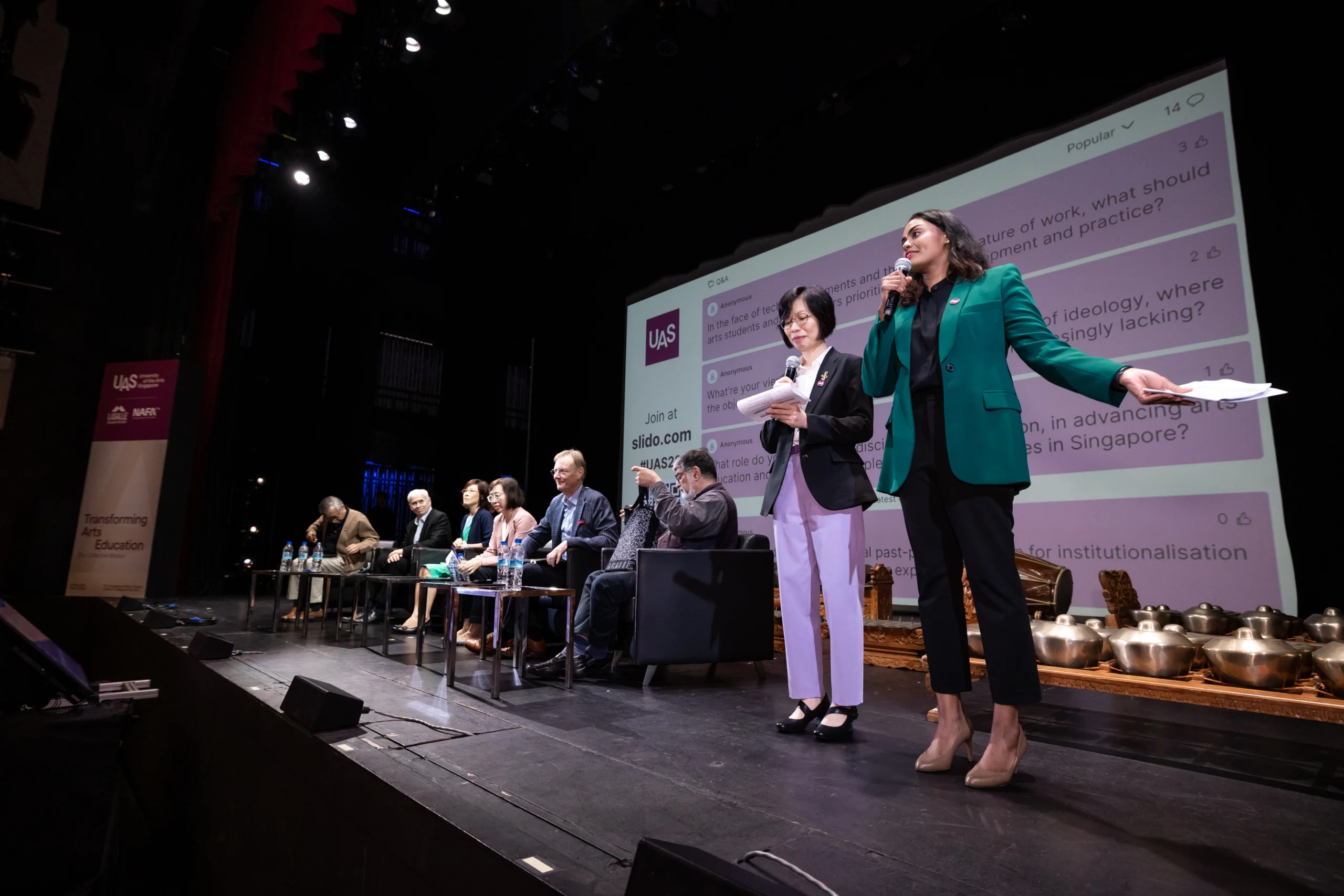
- panel discussions
- breakout rooms
- networking opportunities
Town Hall
Best For
Internal communication and leadership engagement.
Common Features
- leadership presentations
- employee Q&A
- company updates
- hybrid audience participation
For larger internal events, structured town hall event planning often helps improve communication flow and audience engagement.
Gala Dinner
Best For
Celebrations, awards, and relationship building.
Common Features
- entertainment
- dining experiences
- award presentations
- networking sessions
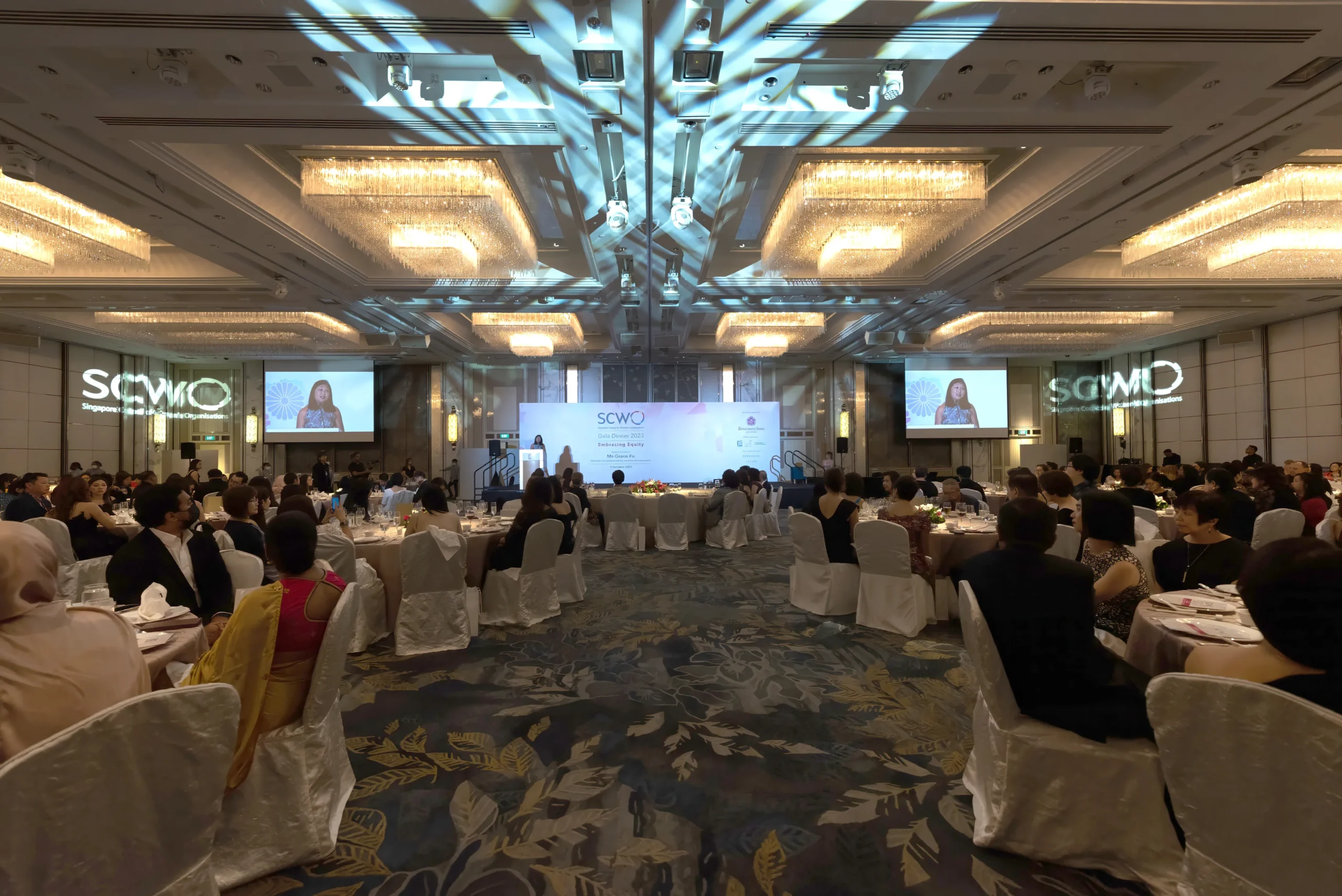
Gala events usually place stronger emphasis on atmosphere, production, and audience experience.
Networking Event
Best For
Building professional connections and client engagement.
Common Features
- open networking
- interactive sessions
- casual audience flow
- relationship-focused experiences
Hybrid Event
Best For
Regional audiences and multi-location participation.
Common Features
- livestream support
- virtual speakers
- remote audience engagement
- hybrid presentations
Hybrid formats are increasingly common for regional corporate events and conferences.
Brand Experience
Best For
Audience immersion and experiential engagement.
Common Features
- interactive activations
- experiential zones
- visual storytelling
- branded environments
This format focuses more heavily on creating memorable audience experiences rather than traditional presentations alone.


Create a Simple Event Timeline
A clear timeline helps corporate events feel more organised and easier to manage behind the scenes.
Without proper planning stages, even smaller issues can quickly affect production setup, guest experience, or event flow closer to the event date.
A typical corporate event timeline may include:
Pre-Planning
This stage focuses on:
- event objectives
- audience planning
- budgeting
- initial timelines
- event format discussions
Early planning usually helps reduce last-minute changes later on.
Venue Confirmation
Once the event direction is clear, venue planning usually follows.
This may include:
- venue sourcing
- availability checks
- layout planning
- technical requirements
- accessibility review
Venue decisions often affect the rest of the event planning process.
Vendor Coordination
This stage involves coordinating:
- caterers
- production teams
- photographers
- entertainment
- registration vendors
- venue suppliers
Clear communication between vendors helps prevent operational delays closer to event day.
Production Planning
Production planning usually covers:
- AV systems
- staging
- lighting
- LED walls
- livestream setup
- technical requirements
For larger corporate events, working with an experienced event production team can help improve coordination and execution quality.
Rehearsals
Rehearsals help test:
- presentations
- speaker flow
- cue timing
- audio levels
- lighting transitions
- technical coordination
Strong rehearsals often help events run more smoothly on the actual day.
Event Day Execution
This is where all planning comes together.
The execution stage may include:
- guest registration
- stage management
- production coordination
- presentations
- networking sessions
- audience flow management
Good execution often feels seamless to attendees, even when the event itself is operationally complex behind the scenes.
Post-Event Follow-Up
After the event, teams may continue engagement through:
- audience feedback
- post-event communication
- recap content
- media coverage
- lead follow-up
- stakeholder reporting
Post-event follow-up often helps extend the value of the event beyond the actual event day.
Confirm the Venue & Logistics Early
Venue and logistical planning often have a major impact on the overall event experience.
Even well-designed events can feel disorganised if guest flow, accessibility, or supplier coordination are not planned properly.
Some important logistical areas to review include:
Venue Accessibility
The venue should be easy for attendees, suppliers, and speakers to access.
This may include:
- transport accessibility
- wheelchair access
- directional signage
- drop-off points
Guest Capacity
The venue should comfortably support the expected number of attendees.
Overcrowded spaces can affect:
- audience comfort
- networking flow
- visibility
- registration experience
Registration Flow
Registration is often the first interaction attendees have with the event.
A smoother registration setup helps reduce confusion and long queues during arrival.
Parking & Arrival Experience
Parking availability and traffic flow can affect how smoothly attendees arrive at the venue.
This is especially important for:
- executive events
- large conferences
- VIP guests
- gala dinners
Supplier Access & Loading Areas
Production teams and suppliers usually require designated access for:
- staging equipment
- AV setup
- lighting installation
- catering logistics
- loading and unloading
Poor supplier access can delay production setup significantly.
Seating Layout & Audience Flow
Seating arrangements affect:
- audience visibility
- interaction
- networking
- presentation experience
The right layout usually depends on the event format, audience size, and production requirements.
Plan the Event Production Early
Production planning often has a direct impact on how professional and organised the event feels to attendees.
People notice production quality immediately, sometimes even before the presentations begin. Poor audio, weak lighting, delayed transitions, or technical issues can quickly affect audience engagement and the overall experience.
For larger corporate events, production should ideally be planned early rather than added at the final stage.
Important production areas may include:
AV Systems
Clear audio and visual support are essential for presentations, panel discussions, videos, and audience communication.
Poor sound or screen visibility can interrupt the flow of the event quickly.
Staging
Stage design affects:
- audience focus
- presentation visibility
- speaker movement
- overall event atmosphere
Simple staging often feels more premium when executed cleanly.
LED Walls & Visuals
Large visual displays help reinforce:
- branding
- presentations
- event storytelling
- sponsor visibility
- audience engagement
Visual content often plays a major role in how memorable the event feels.
Lighting
Lighting affects both atmosphere and audience perception.
It also supports:
- stage visibility
- presentations
- photography
- livestream production
- transition moments
Good lighting helps events feel more polished and intentional.
Livestream & Hybrid Support
Many corporate events now involve remote participants or hybrid audiences.
This may include:
- livestream broadcasting
- virtual speakers
- remote audience participation
- hybrid presentations
Hybrid support has become increasingly common for conferences, leadership events, and regional meetings.
Technical Coordination
Production planning also involves:
- rehearsals
- cue timing
- technical testing
- contingency preparation
- speaker coordination
For larger events, working with an experienced event production company in Singapore can help improve both technical reliability and audience experience.
Prepare the Event Flow
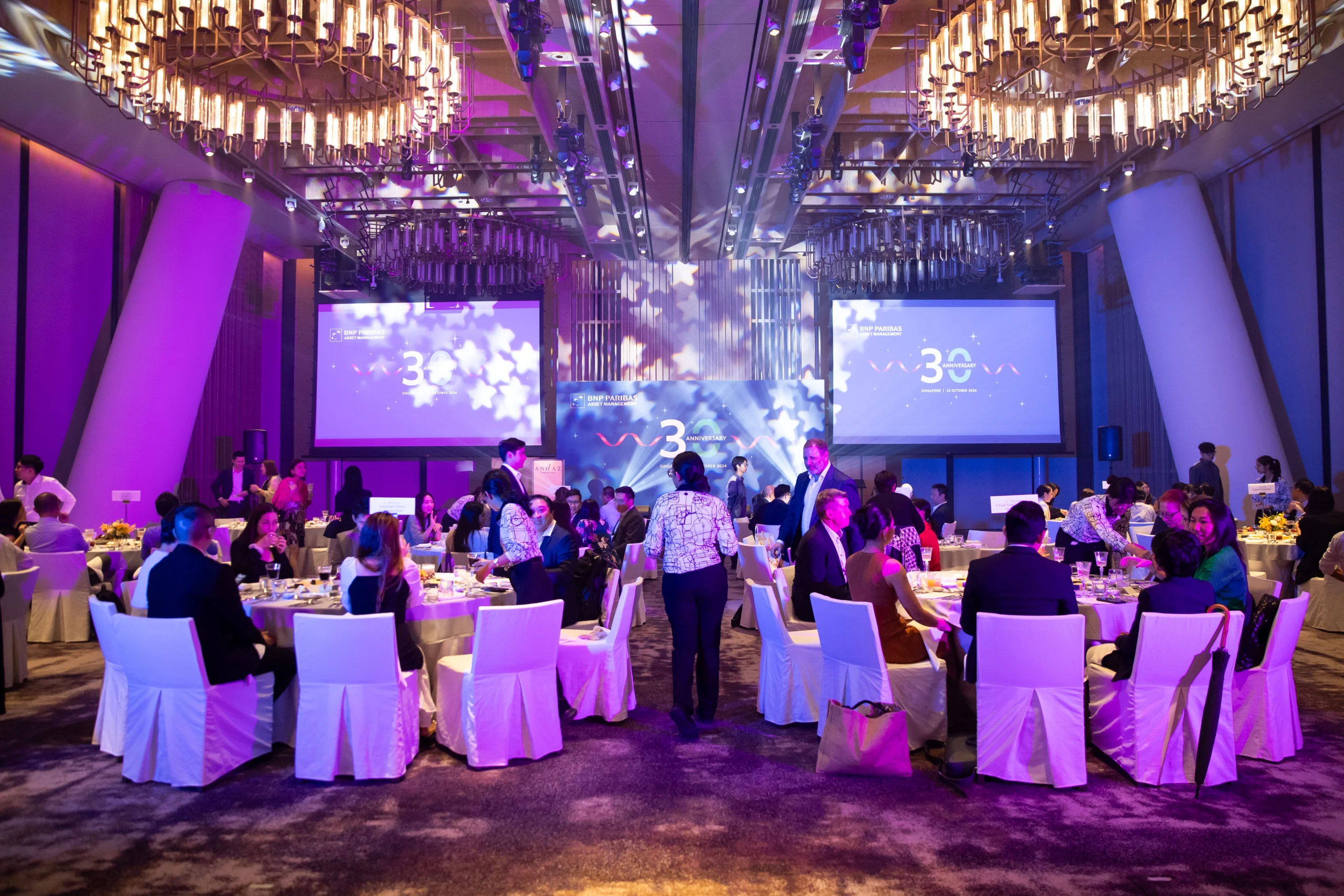
A well-planned event flow helps the experience feel smooth, organised, and easier for audiences to follow.
Even strong content can lose impact if transitions feel rushed, presentations run too long, or the schedule feels disorganised.
Good event flow usually balances:
- presentations
- networking
- audience engagement
- transitions
- production timing
Important areas to prepare include:
Run Sheet Planning
The run sheet acts as the operational guide for the event.
It usually outlines:
- timing
- presentations
- stage cues
- transitions
- speaker order
- production sequences
Clear run sheets help teams stay aligned throughout the event.
Cue Timing
Cue timing helps coordinate:
- videos
- lighting changes
- presentations
- music
- speaker entrances
- reveal moments
Good timing often makes events feel more polished without audiences noticing the coordination happening behind the scenes.
Speaker Coordination
Presenters often require support before and during the event.
This may include:
- briefing sessions
- presentation preparation
- backstage coordination
- microphone setup
- timing reminders
Strong speaker coordination helps sessions feel more confident and professional.
Presentation & Transition Flow
Smooth transitions between sessions help maintain audience attention.
Long pauses or unclear transitions can quickly reduce event energy and engagement.
Networking Sessions
For many corporate events, networking is one of the most valuable parts of the experience.
Planning dedicated networking windows helps:
- improve audience interaction
- reduce schedule congestion
- create more natural event pacing
Well-paced events often feel more engaging and comfortable for attendees from start to finish.
Assign Onsite Responsibilities Clearly
Even well-planned corporate events can become chaotic if onsite responsibilities are unclear.
Having clearly assigned roles helps teams respond faster, communicate more effectively, and keep the event experience running smoothly throughout the day.
Important onsite responsibilities may include:
Registration Team
The registration team manages:
- guest check-in
- attendee support
- badge distribution
- VIP arrivals
- registration flow
A smoother arrival experience usually creates a better first impression for attendees.
Stage Management
Stage management helps coordinate:
- speaker timing
- stage transitions
- presentations
- cue execution
- backstage movement
Good stage coordination often makes the event feel more organised and polished.
Speaker Handling
Presenters often require support before and during the event.
This may include:
- backstage coordination
- microphone preparation
- timing reminders
- presentation support
- stage guidance
Strong speaker support helps sessions feel more confident and professional.
Guest Support
Guest-facing teams help attendees navigate the event more comfortably.
This may include:
- directional assistance
- seating guidance
- networking support
- VIP coordination
- audience enquiries
Good guest support often improves the overall event experience significantly.
Production Coordination
Production teams usually oversee:
- AV systems
- lighting
- livestream support
- technical timing
- cue coordination
- stage visuals
Strong coordination between production and event teams helps reduce operational disruptions during the event.
Troubleshooting & Contingency Support
Unexpected issues can happen during almost any live event.
Having designated team members prepared for troubleshooting helps resolve problems quickly before they affect the audience experience.
This may involve:
- technical issues
- speaker delays
- schedule adjustments
- registration problems
- operational coordination
The more clearly responsibilities are assigned beforehand, the smoother the event usually feels onsite.
Common Corporate Event Planning Mistakes
Even experienced teams can run into problems when planning timelines become rushed or communication breaks down.
Some of the most common corporate event planning mistakes include:
Rushing Production Setup
Production setup takes time.
Late staging, lighting, or AV preparation can increase the risk of technical issues and delayed event starts.
Unclear Event Objectives
If the purpose of the event is unclear, the experience can quickly feel disconnected or unfocused.
Clear goals help guide planning decisions more effectively.
Poor Communication
Miscommunication between teams, suppliers, or stakeholders can create operational confusion closer to event day.
Strong coordination usually prevents many avoidable issues.
Overloaded Event Schedules
Trying to fit too many presentations or activities into a short timeline can reduce audience engagement and create event fatigue.
Well-paced events often feel more comfortable and engaging.
No Contingency Planning
Unexpected issues can happen during live events.
Without contingency preparation, even small disruptions may affect the audience experience significantly.
Weak Audience Engagement
Corporate events should not feel overly passive.
Interactive moments, networking opportunities, and stronger audience flow often create more memorable experiences than presentation-heavy schedules alone.
Building Better Corporate Event Experiences
Successful corporate events are rarely remembered only for the presentations or agenda. The overall experience often shapes how attendees perceive the company, the communication, and the event itself afterwards.
From audience engagement and event flow to production quality and onsite coordination, every detail contributes to how organised and professional the event feels.
Whether planning conferences, leadership town halls, gala dinners, networking events, or corporate launches, having a structured planning process usually helps create smoother and more engaging experiences for attendees.
ERS Asia supports organisations across Singapore and Asia with corporate event management, town hall event planning, and event execution support for conferences, launches, gala dinners, and regional corporate experiences.
You can also explore our recent event projects to see how different corporate event formats are planned and executed across industries.
Frequently Asked Questions
What is a corporate event planning checklist?
A corporate event planning checklist helps teams organise important planning tasks, timelines, logistics, production, and event coordination before event day.
Why is event planning important?
Proper planning helps reduce operational issues, improve coordination, and create a smoother experience for attendees and stakeholders.
How early should corporate event planning begin?
Planning timelines depend on the scale and complexity of the event. Larger conferences or gala dinners often begin planning several weeks or months in advance.
What should be included in an event checklist?
An event checklist may include:
- venue planning
- production setup
- guest management
- timelines
- vendor coordination
- speaker preparation
- rehearsals
- contingency planning
Do corporate events require production planning?
Yes. Production planning often affects audience experience, technical reliability, presentations, lighting, audio quality, and overall event flow.