Product Launch Event Management Guide
- Updated: June 5, 2026
A product launch event is often the first real experience people have with a new product or brand. Beyond the announcement itself, the event shapes how audiences perceive the company, the product, and the experience around it.
Strong launch events are not just about presentations or stage reveals. Audience engagement, event flow, production quality, and atmosphere all influence how memorable the launch feels.
This guide covers the key elements companies should consider when planning a successful product launch event, from audience strategy and event formats to production planning and onsite execution.
Start With the Purpose Behind the Launch
Before planning the venue, stage, or production setup, first clarify what the launch is actually meant to achieve.
Different launch objectives often require different event formats, audience experiences, and communication styles. A media-focused launch may feel very different from an internal product announcement or a client networking event.
Some common launch objectives include:
Brand Awareness
Introduce the product to a wider audience and increase visibility around the launch.
Media Attention
Create opportunities for press coverage, interviews, photography, and social content.
Client Engagement
Build stronger relationships with clients, partners, or stakeholders through a more interactive experience.
Investor Communication
Present the product direction, business growth, or innovation strategy to leadership teams and investors.
Internal Launch
Align employees and internal teams before the public rollout begins.
Lead Generation
Create opportunities for future conversations, partnerships, and customer acquisition.
Having a clear purpose from the beginning helps shape the event strategy, messaging, audience flow, and overall experience more effectively.
Know Who the Launch Is For
A successful launch event is not only about the product itself. It is also about how the audience experiences the event.
Different audiences usually expect different formats, messaging styles, and levels of interaction. Understanding who the event is designed for helps shape everything from the presentation flow to the venue setup.
Common launch audiences may include:
Media & Press
Media-focused launches often prioritise clear messaging, interview opportunities, visual presentation, and content capture moments.
Clients & Customers
Client-facing launches usually focus more on demonstrations, engagement, networking, and product experience.
Business Partners
Partner events may require a more strategic approach focused on collaboration, opportunities, and long-term relationships.
Distributors & Dealers
Distributor launches often focus more on product education, rollout planning, and sales support.
Internal Teams
Internal launches are designed to align employees, departments, and leadership teams before external campaigns begin.
The better the audience is understood early on, the easier it becomes to create an event experience that feels organised, relevant, and engaging for the people attending.
Choose the Right Event Format
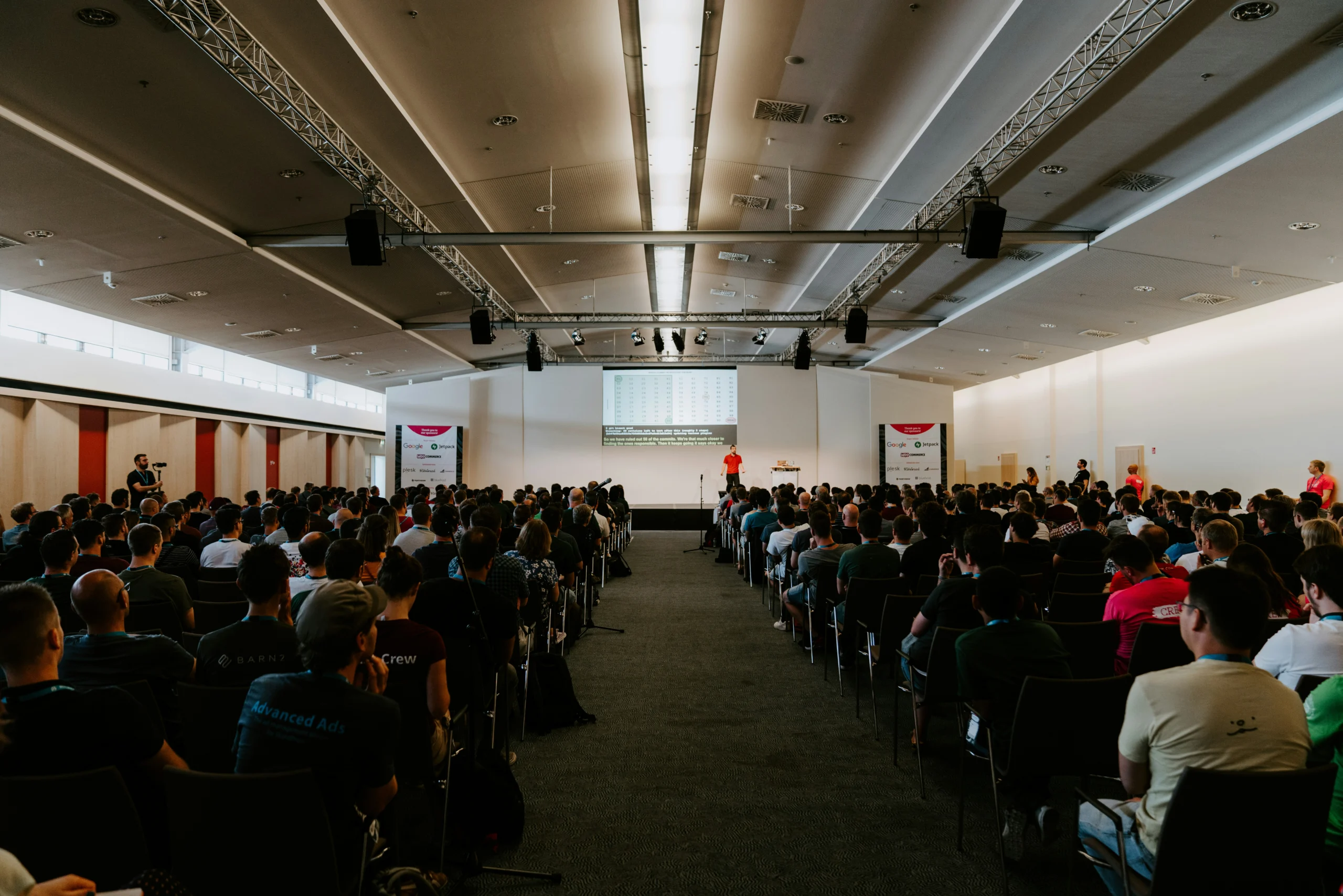
The format of the launch event can significantly affect how audiences interact with the product and experience the brand.
Some launches work better as large in-person experiences, while others benefit from hybrid engagement or smaller media-focused sessions.
The right format usually depends on:
- audience type
- launch objectives
- regional reach
- production requirements
- level of interaction
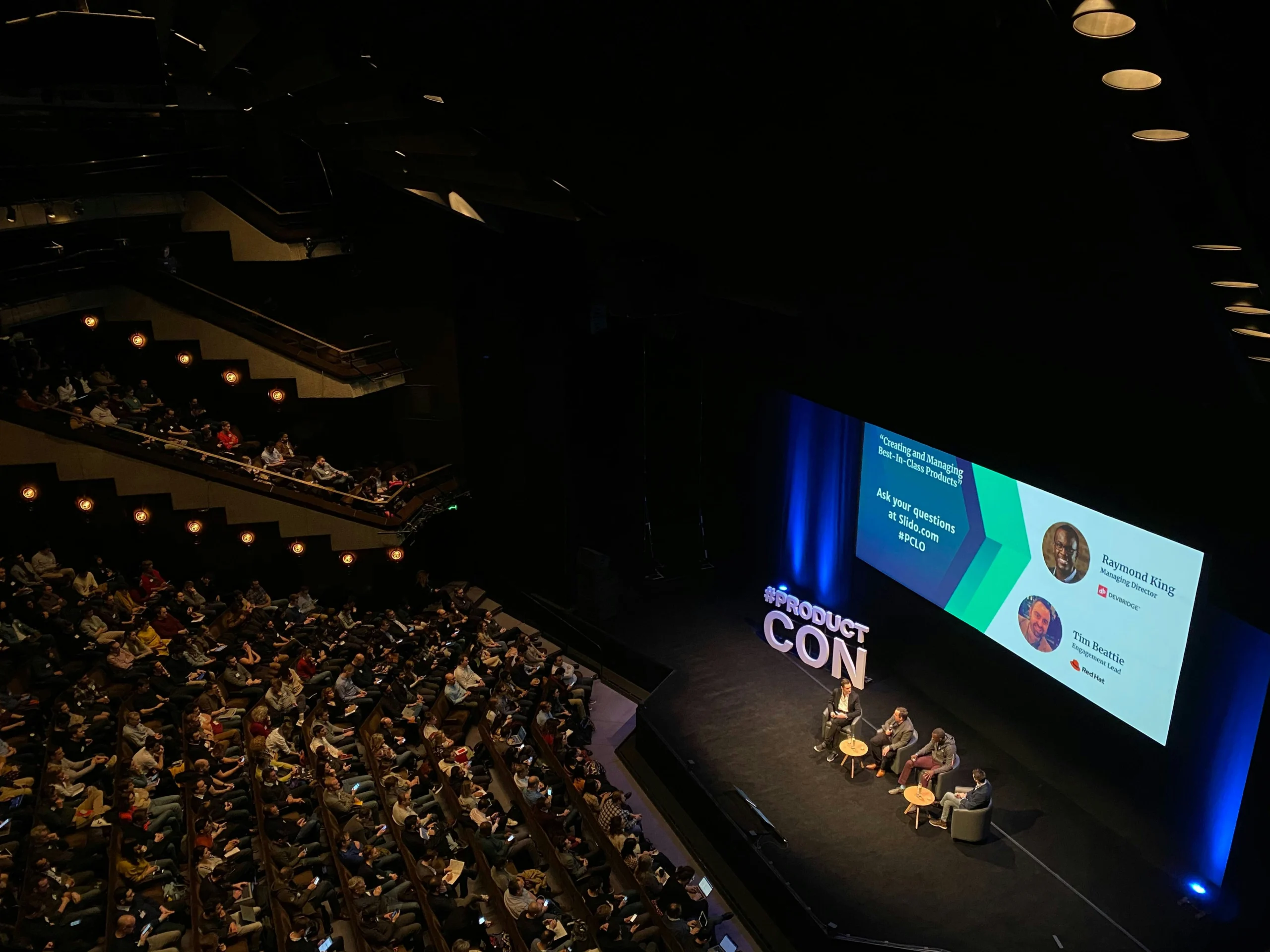
Live Product Launch
Best For
High-energy audience experiences
Common Features
- live presentations
- product reveals
- audience interaction
- stage production
- networking sessions
Live launches are often used when brands want to create excitement and stronger in-person engagement.
Hybrid Launch
Best For
Regional or multi-location audiences
Common Features
- livestream integration
- virtual speakers
- remote audience access
- hybrid presentations
- online engagement tools
Hybrid launches help companies connect with audiences across multiple locations while maintaining a physical event experience.
Experiential Launch
Best For
Brand immersion and audience interaction
Common Features
- interactive installations
- demo zones
- branded environments
- experiential activations
- immersive storytelling
This format focuses heavily on audience participation and memorable brand experiences.
Media Showcase
Best For
Press coverage and PR opportunities
Common Features
- media presentations
- interview sessions
- product demonstrations
- photography moments
- networking opportunities
Media-focused launches usually prioritise presentation quality, messaging clarity, and content opportunities for journalists and creators.
Build the Experience, Not Just the Event
People may remember the product, but they often remember the experience first.
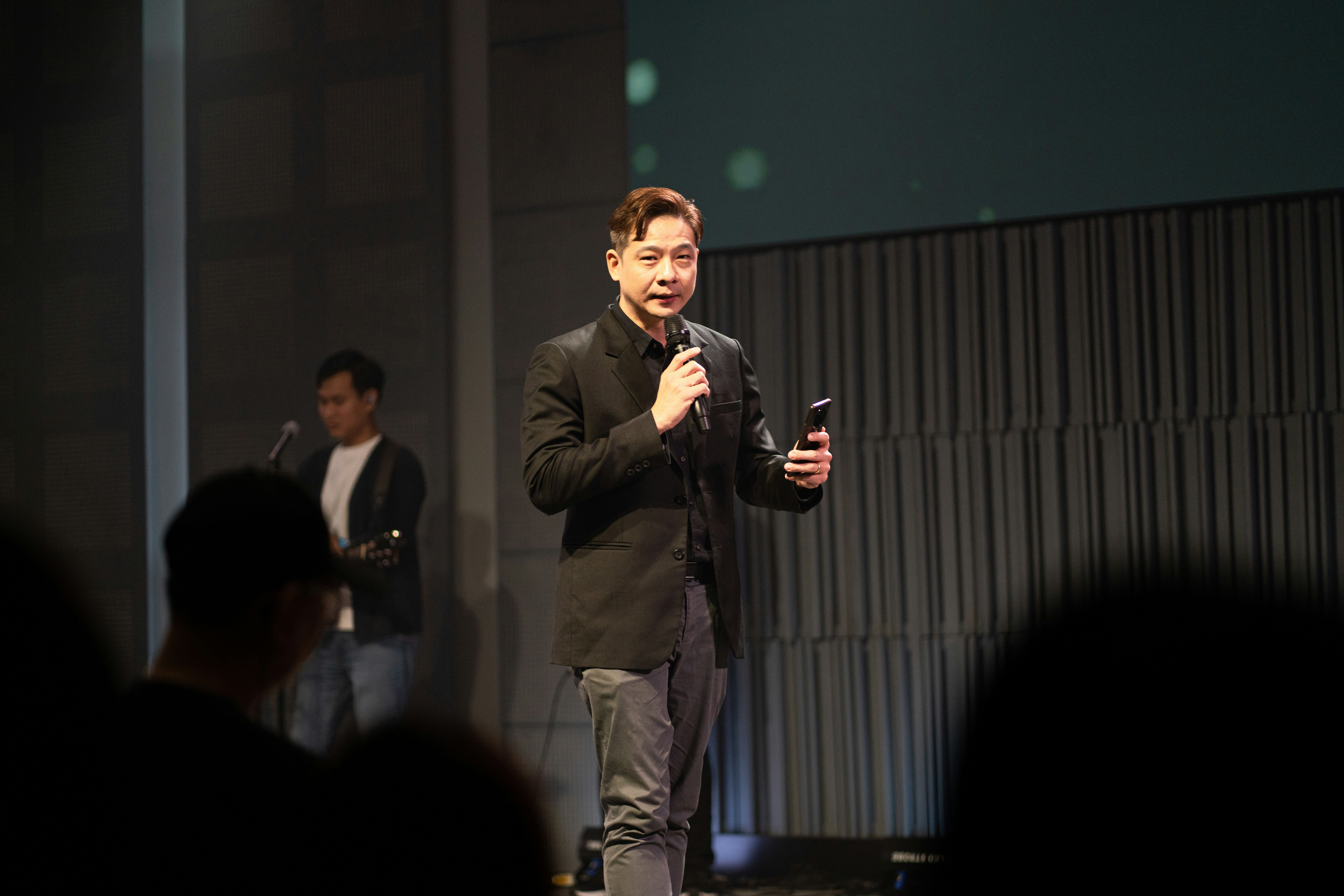
A successful launch event should feel intentional from beginning to end. The atmosphere, pacing, visuals, and audience interaction all influence how the brand is remembered after the event ends.
Storytelling Matters
Strong launch events usually tell a story instead of simply presenting information.
This may involve:
- the problem behind the product
- the brand vision
- the innovation journey
- the impact on users or industries
A clear narrative often creates stronger audience connection than feature-heavy presentations alone.
Create a Strong Reveal Moment
The reveal is often the most anticipated part of the launch.
Lighting, sound, visuals, stage flow, and timing all contribute to how impactful the moment feels.
Simple reveal moments often feel more effective than overly complicated productions.
Pay Attention to Event Pacing
Long presentations and slow transitions can quickly reduce audience attention.
Well-paced launch events usually balance:
- presentations
- demonstrations
- interaction
- networking
- entertainment
- visual transitions
Good pacing helps maintain audience energy throughout the event.
Encourage Audience Interaction
People engage more when they can experience the product directly.
Depending on the event format, this may include:
- live demonstrations
- interactive zones
- Q&A sessions
- networking opportunities
- experiential activations
Audience participation often makes launch events feel more authentic and memorable.
Visual Presentation Shapes Perception
People notice production quality immediately, even before the presentations begin.
Stage design, lighting, visuals, and event styling all influence how professional and premium the brand feels during the launch.
Even strong products can feel underwhelming if the presentation environment feels poorly planned.
For larger launches, working with an experienced event production team can help create a more polished audience experience from both a technical and visual perspective.
Brand Atmosphere Matters
Every detail contributes to the atmosphere of the event, including:
- venue selection
- lighting tone
- music
- audience flow
- staging
- visual content
The goal is not simply to organise an event, but to create an experience audiences continue remembering after the launch ends.
Production Can Make or Break a Launch
Even strong products can lose impact when the event production feels disorganised or technically unstable.
People notice production quality quickly. Poor audio, weak visuals, delayed cues, or technical interruptions can affect how professional the entire brand experience feels.
For launch events, production is often what transforms a presentation into an experience.
AV Systems
Clear audio and visual support are essential, especially during presentations, product demonstrations, and keynote sessions.
Poor sound or screen visibility can quickly reduce audience engagement and interrupt the flow of the launch.
Staging
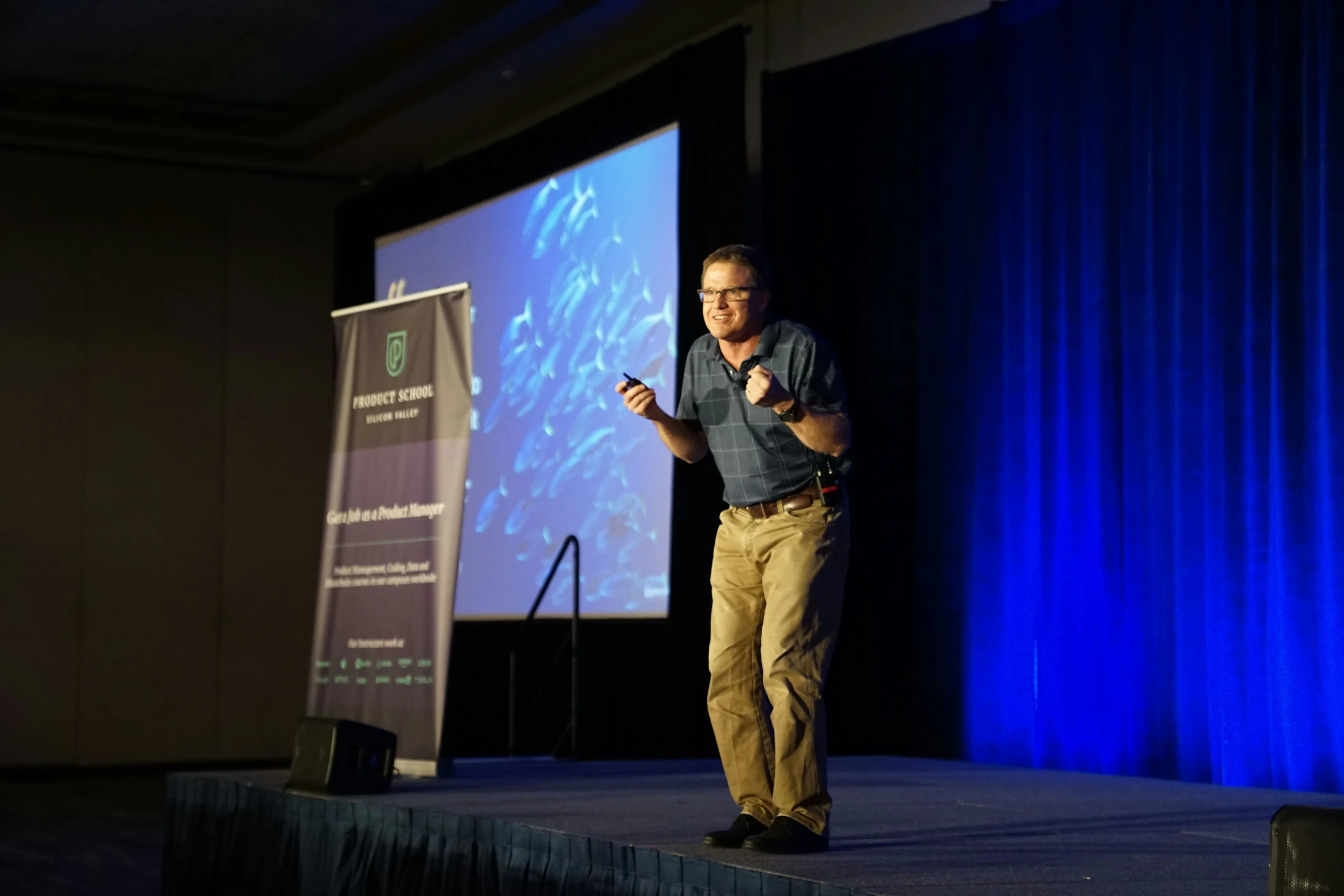
Stage layout affects both audience attention and overall presentation quality.
A well-designed stage should support:
- visibility
- product reveals
- speaker movement
- audience focus
- presentation flow
Simple staging often feels more premium when executed cleanly.
Lighting
A well-timed lighting transition can completely change how a reveal moment feels.
Lighting also influences:
- audience immersion
- photography
- presentations
- livestream production
- stage atmosphere
Good lighting helps launch events feel more intentional and polished.
LED Walls & Visuals
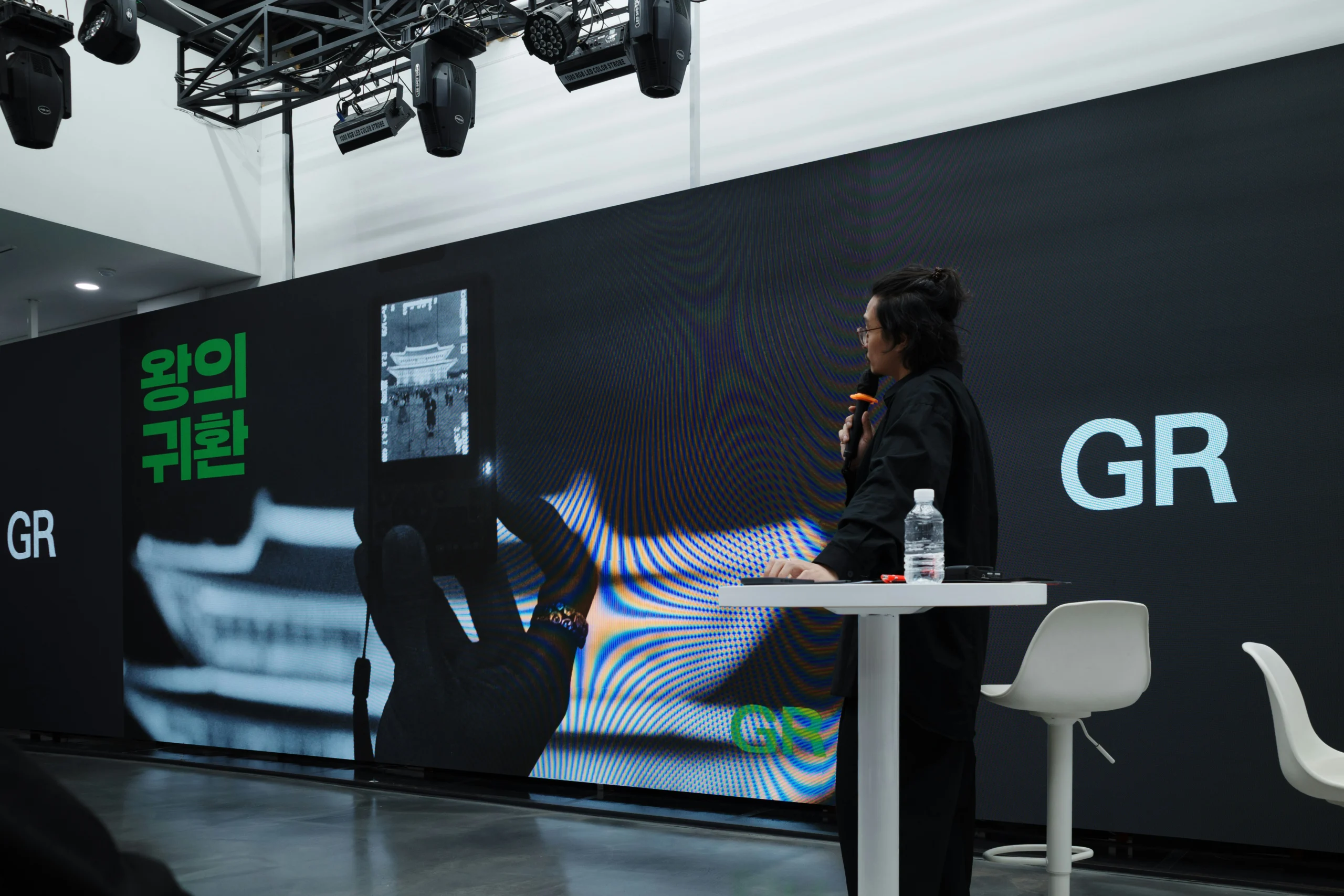
Large visual displays help reinforce branding, storytelling, and audience engagement throughout the launch.
This may include:
- launch visuals
- product videos
- motion graphics
- presentation content
- branded animations
Strong visuals often create a more memorable audience experience.
Livestream & Hybrid Support
For regional launches, livestream support allows brands to connect with audiences beyond the physical venue.
Hybrid launches may involve:
- remote speakers
- virtual audience engagement
- multi-location viewing
- livestream broadcasting
- online interaction
This has become increasingly common for regional corporate launches and conferences.
Technical Rehearsals
Rehearsals are often where potential issues are identified before the audience arrives.
This may include:
- cue timing
- presentation testing
- audio checks
- livestream testing
- speaker coordination
- lighting transitions
Strong technical preparation usually results in smoother execution on launch day.
For larger launches, working with an experienced event production company in Singapore can help improve both production reliability and audience experience.
Simple Product Launch Timeline
A well-executed launch usually starts long before the actual event day.
Having a clear timeline helps teams stay aligned, reduce last-minute issues, and keep the experience running smoothly from start to finish.
Pre-Event Planning
Focus on:
- launch objectives
- audience planning
- venue selection
- production requirements
- event concept
- vendor coordination
This stage builds the foundation for the entire launch.
Production Setup
This may include:
- stage construction
- AV installation
- lighting setup
- LED wall configuration
- branding installation
- livestream preparation
Production setup is usually completed before rehearsals begin.
Technical Rehearsals
Rehearsals help test:
- audio levels
- cue timing
- presentations
- lighting transitions
- speaker flow
- technical coordination
Strong rehearsals often prevent problems during the actual launch.
Launch Day
The event execution stage may include:
- guest registration
- product reveal
- presentations
- networking sessions
- live production management
- audience engagement
This is where all planning and coordination come together.
Post-Event Engagement
After the launch, brands may continue engagement through:
- media coverage
- social content
- audience follow-up
- lead nurturing
- recap videos
- stakeholder communication
Post-event engagement often helps extend the impact of the launch beyond the event itself.
What Happens on Event Day?
Event day is where planning, production, and coordination all come together in real time.
Even well-planned launches still require strong onsite management to keep the experience running smoothly behind the scenes.
Registration & Guest Arrival
First impressions often begin at registration.
A smooth arrival experience helps create a more organised and welcoming atmosphere from the start of the event.
This may include:
- guest check-in
- VIP handling
- media registration
- directional support
- audience flow management
Cue Calling & Show Flow
Launch events usually involve multiple moving parts happening simultaneously.
Cue calling helps coordinate:
- presentations
- lighting changes
- videos
- reveal moments
- speaker transitions
- stage timing
Good show flow often feels seamless to the audience, even when the production behind it is highly technical.
Speaker Management
Presenters often require support throughout the event.
This may include:
- backstage coordination
- presentation preparation
- microphone setup
- timing reminders
- stage transitions
Strong speaker management helps presentations feel more confident and polished.
Technical Troubleshooting
Unexpected technical issues can happen during almost any live event.
Having an experienced onsite production team helps resolve problems quickly before they affect the audience experience.
This may involve:
- audio adjustments
- livestream coordination
- presentation backups
- AV troubleshooting
- lighting corrections
Audience Flow & Engagement
Audience movement also affects how comfortable and engaging the event feels overall.
This includes:
- seating coordination
- networking flow
- interactive areas
- transition management
- audience visibility
Well-managed audience flow helps events feel more organised and enjoyable throughout the experience.
Common Product Launch Mistakes
Even strong products can struggle to create impact if the launch experience feels disconnected or poorly planned.
Some common launch mistakes include:
Too Much Presentation, Not Enough Experience
People rarely remember every presentation slide, but they often remember how the event felt.
Long presentations without interaction can quickly reduce audience attention.
Weak Audience Engagement
Launch events should involve the audience, not simply talk to them.
Interactive experiences often create stronger brand connection and event energy.
Rushed Production Setup
Production planning takes time.
Rushed staging, AV setup, or technical preparation can increase the risk of delays and technical issues during the launch.
Unclear Messaging
If audiences leave confused about the product or purpose of the launch, the messaging may have been too broad or inconsistent.
Simple and focused communication usually works better.
Skipping Rehearsals
Technical rehearsals are one of the most important parts of launch preparation.
Without rehearsals, even small timing or production issues can affect the audience experience.
Creating Stronger Product Launch Experiences
Successful product launches are rarely defined by the announcement alone. The overall audience experience often shapes how the brand, message, and product are remembered afterwards.
From audience engagement and event flow to production quality and execution, every detail contributes to how professional and impactful the launch feels.
For larger corporate launches, having the right combination of strategy, creative direction, and technical support can help create more engaging and organised event experiences.
ERS Asia supports brands and organisations across Singapore and Asia with corporate event management, event production support, and brand experience execution for launches, conferences, and large-scale corporate events.
You can also explore our recent event projects to see how different launch experiences are executed across industries and event formats.
Frequently Asked Questions
What is a product launch event?
A product launch event introduces a new product, service, or brand experience to audiences such as clients, media, partners, or internal teams.
How long does product launch planning take?
Planning timelines vary depending on the scale and complexity of the event. Larger launches often begin planning several weeks or months in advance.
Do product launch events need professional production?
For larger launches, professional production support can help improve audience experience, technical reliability, and overall event quality.
What makes a successful launch event?
Successful launch events usually combine clear messaging, strong audience engagement, smooth execution, and high-quality production experience.
Can launch events be hybrid?
Yes. Many modern launch events now combine physical and virtual audiences through livestreaming and hybrid event technology.